Skip to Main Content
Talk Beginner

Publish Your First NPM Package: An Elementary Step Toward Open Source

Proposal status is Rejected
Session Description

Have you ever written a utility function and thought, “Others could use this too”? Or dreamed of contributing to open source but didn’t know where to begin? This talk is your first step.

In this session, we will demystify the process of publishing your own NPM package — from writing modular JavaScript code to versioning, documentation, testing, and publishing it live. You’ll learn how contributing doesn’t always start with pull requests; sometimes, it starts with packaging your own small ideas for others to use.

Whether you're a student, a new developer, or a professional curious about open source, this talk is for you. By the end of the session, you'll be equipped and inspired to create, publish, and share your first package with the world — and take your first elementary yet powerful step into the open-source ecosystem.

Key Takeaways
  • Understanding the NPM ecosystem and what makes a good package

  • Setting up your first JavaScript/TypeScript package

  • Writing reusable, documented, and tested code

  • Versioning with SemVer and writing effective READMEs

  • Publishing securely to NPM

  • Best practices and common pitfalls

  • Encouragement to take your first open source step

References

Session Categories

Contributing to FOSS
Technology architecture
Engineering practice - productivity, debugging
Technology / FOSS licenses, policy
Community
Knowledge Commons (Open Hardware, Open Science, Open Data etc.)

Which track are you applying for?

Open Data Devroom

Speakers
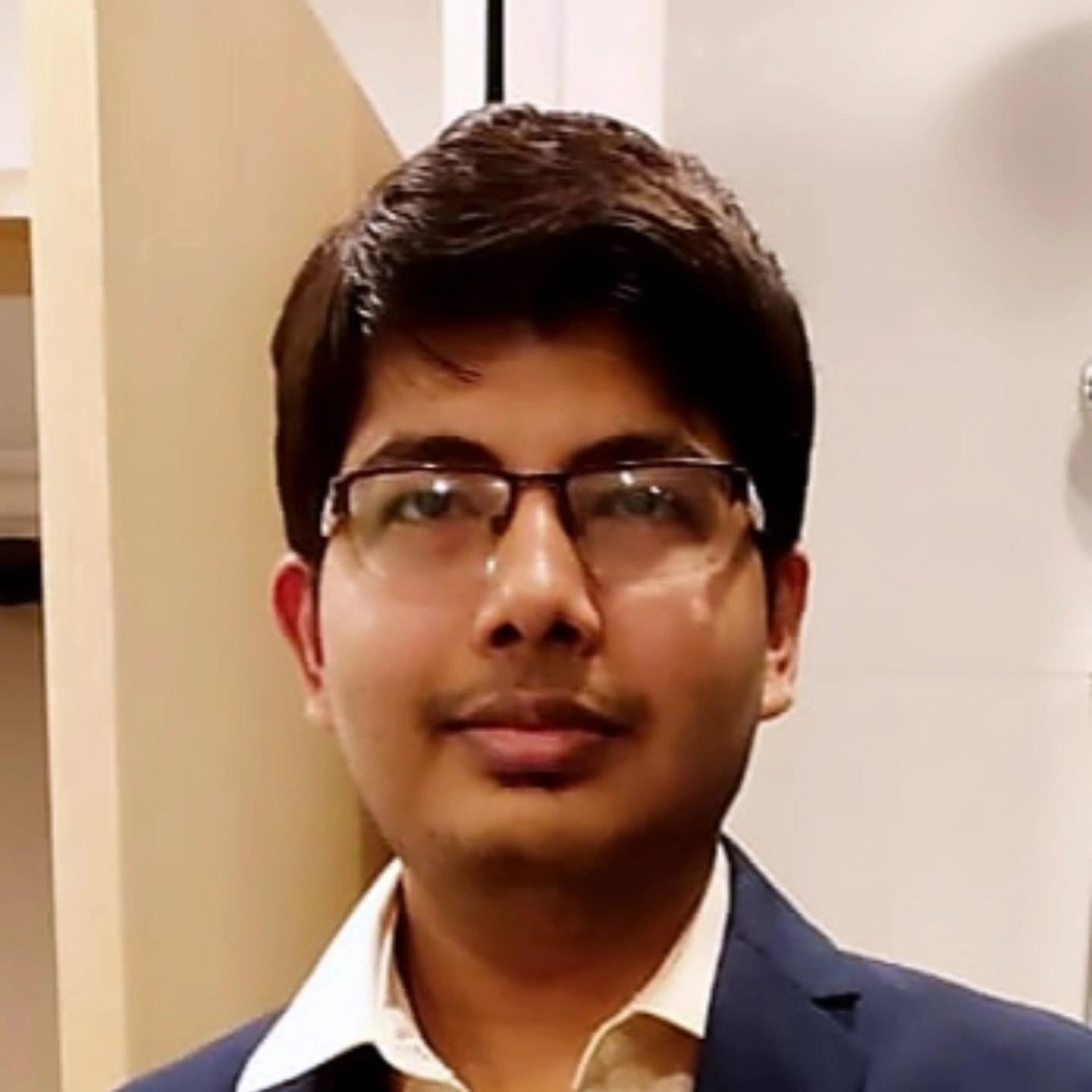
Akash Srivastava
Akash Srivastava SDE 2 | Avalara

Akash is a full-stack developer and Generative AI practitioner. With deep experience across Micro services, LLMs, RAG pipelines, and Immersive UI, they lead projects at the intersection of Generative AI, systems design, and human-machine interaction. As a speaker at SAP Inside Track / GDG Mathura / External Tech Talks , he specialize in making technical concepts practical, demo-rich, and future-facing.