Democratizing State-of-the-Art LLM Inference Optimization Techniques
References
Session Categories
Which track are you applying for?
Speakers
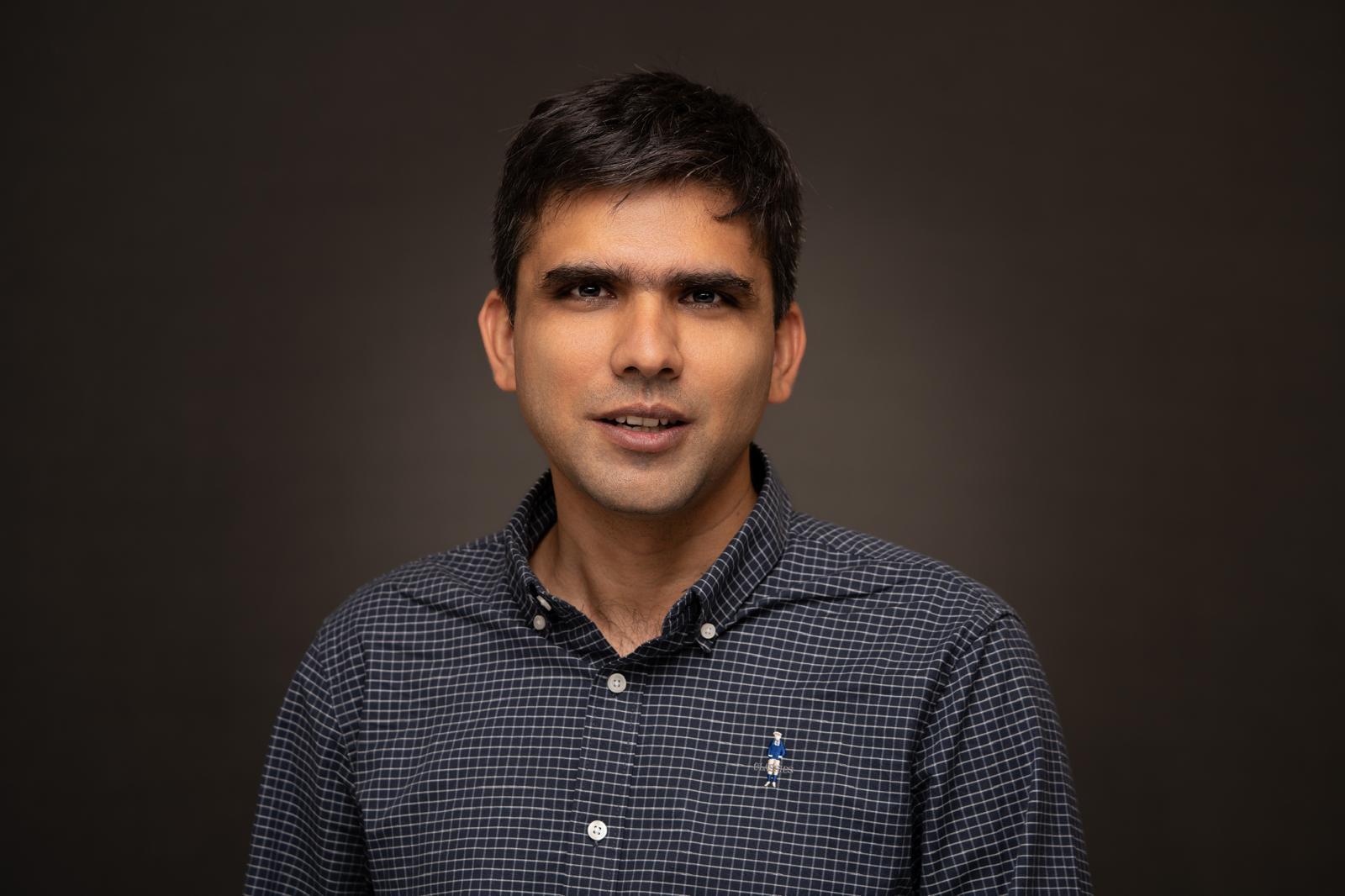
Dr. Asankhaya Sharma is the Co-Founder and Chief Technology Officer at Patched.codes, a deep-tech startup that is building coding agents to automate software development tasks. Dr. Sharma is a well known technology expert, author, and public speaker. He has close to two decades of experience in research and product development, holding leadership roles at startups and large enterprises. Prior to Patched.codes, he was the Global Director of Innovation and Incubation at Veracode, an application security company. Before that, he was the Head of R&D at SourceClear (acquired by CA Technologies in 2018), the first software security company focussed on open-source security and software supply chain. He has a PhD in Computer Science from the National University of Singapore, and has been an Adjunct Professor at the Singapore Management University, and the Singapore Institute of Technology.
Reviews
I don't clearly understand many topics described here. I am skipping this.
This is a great talk but may be a short on time if its a talk to go into sufficient depth. This can be extended to become a workshop on how the optimization techniques work, and explain the relevant technical details in addition to how to use optillm.
Thorough proposal and meaningful key takeaways, especially highlighting how people could contribute back to the project via custom plugins. The project isn't tied to OpenAI as I originally believed because local models/hugging face models could be used instead of OpenAI models.
I echo the other reviewers' comment regarding talk duration, though.
I like this. Looks like a sound open source project that people can use without too much investment and make their AI use cases work better.
Thank you for submitting your proposal for IndiaFOSS 2025. Your submission was well-received and progressed to our final review stages.
Unfortunately, due to the high volume of excellent proposals this year, we were unable to select your talk for the final program. We appreciate the effort you put into your submission and encourage you to apply again for future events.