Notes from Maintainers May
We dedicated May to the maintainers who have been quietly, thanklessly holding the digital world together. Here's everything that happened!
Last year, we participated in the Maintainer Month campaign by GitHub and started forklore. Forklore is a directory of FOSS and digital commons maintainers from India, and was started in an effort to find out if we would be able to find (and highlight) a maintainer for every day of the month. Spoiler alert, not only did we find more than enough maintainers, we also realised the need for a structured program aimed at supporting these people. And that led the creation of the foundation's Maintainers Program
Continuing the tradition this year, the foundation and the community got together to organise #MaintainersMay!
We started the campaign with a community call, where we invited our Maintainer Community to share feedback on the Maintainers Program, discuss challenges they face and support they require, and brainstormed a bunch of activities that we could plan during the month. A recording is available here -
Maintainer Meetups
The Maintainer Summit organised as an IndiaFOSS 2025 pre-event was a huge success. There were conversations around sustainability, burnout, marketing for FOSS projects, and a whole bunch of interesting topics. More importantly, this made us realise the value of such a forum that brings together these Maintainers in an unconference format. Taking inspiration from the summit, we decided to organise such meetups all over India during #MaintainersMay.
With the help of our volunteers, meetups were organised in Delhi, Pune, Bengaluru and Mumbai.
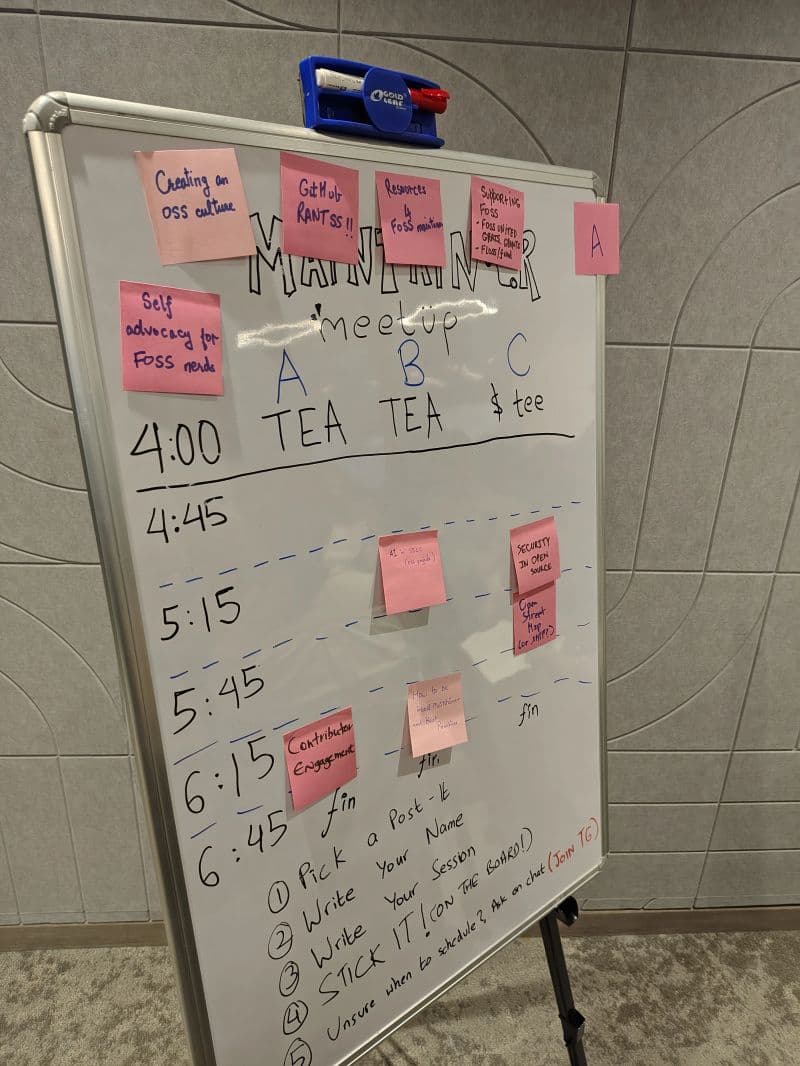
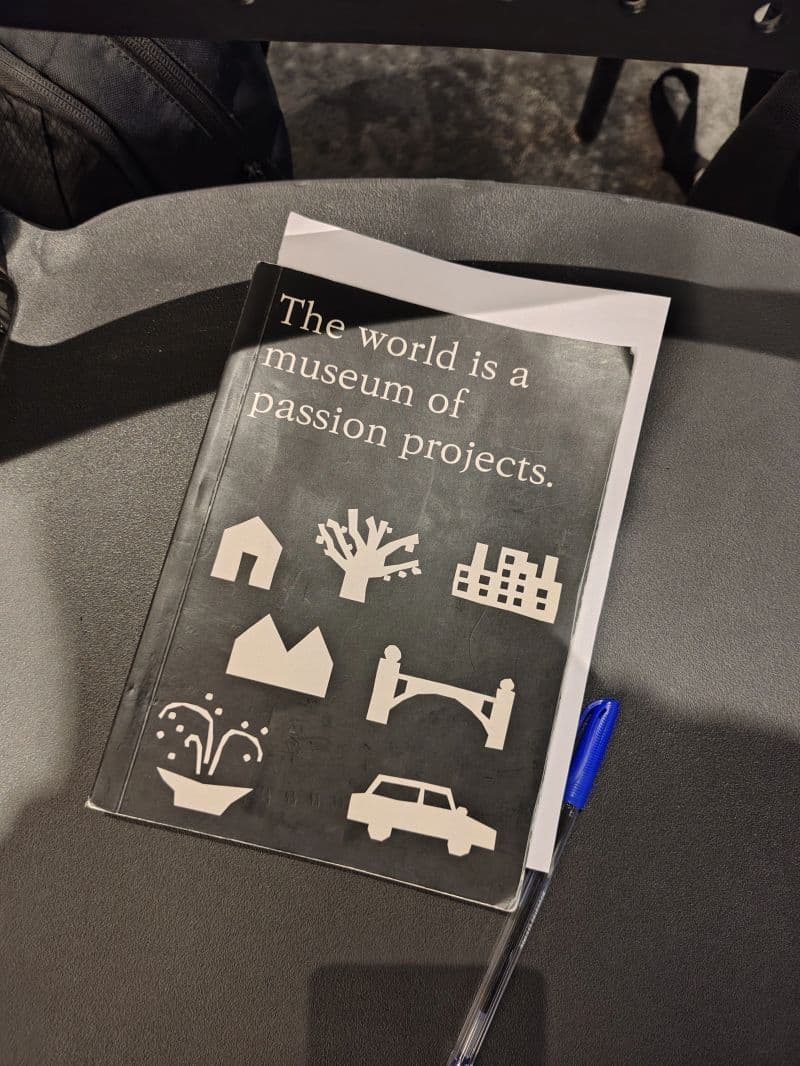
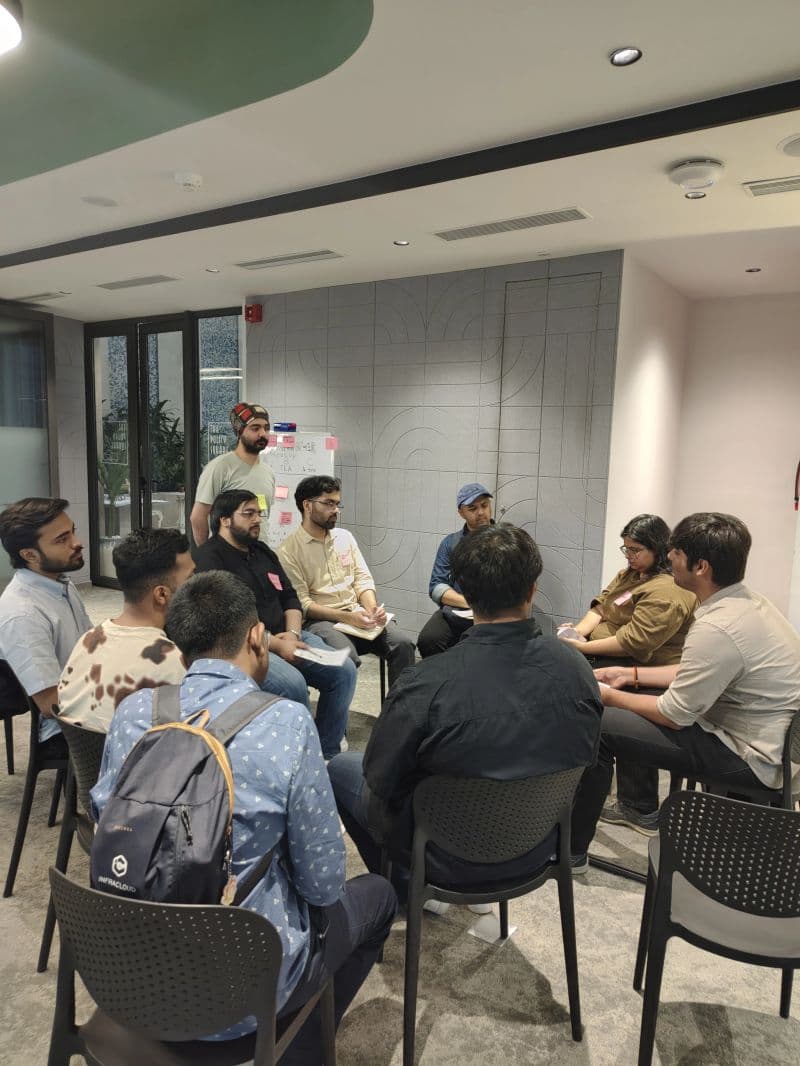
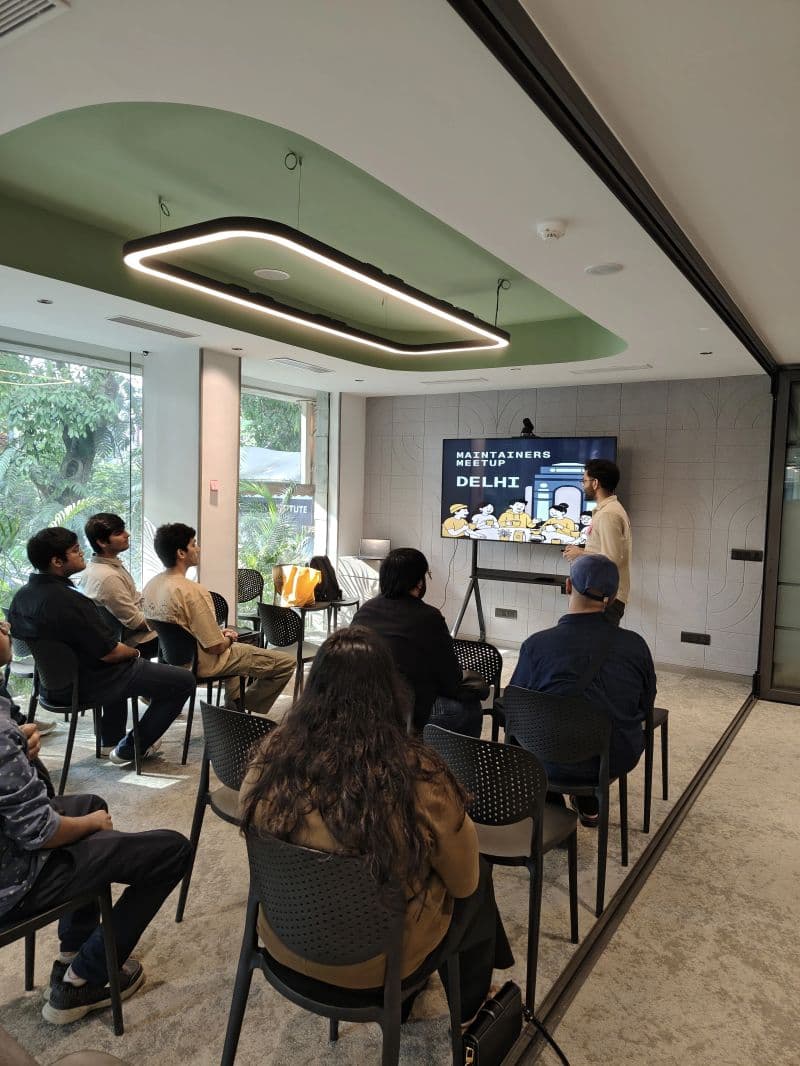
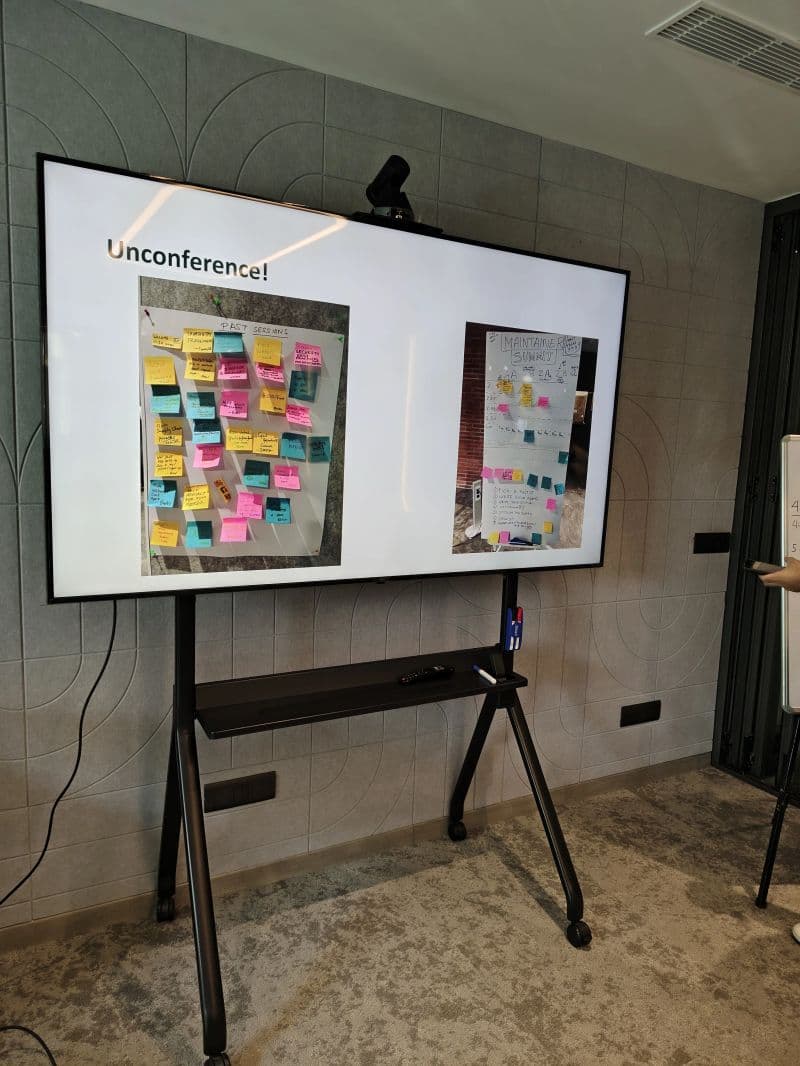
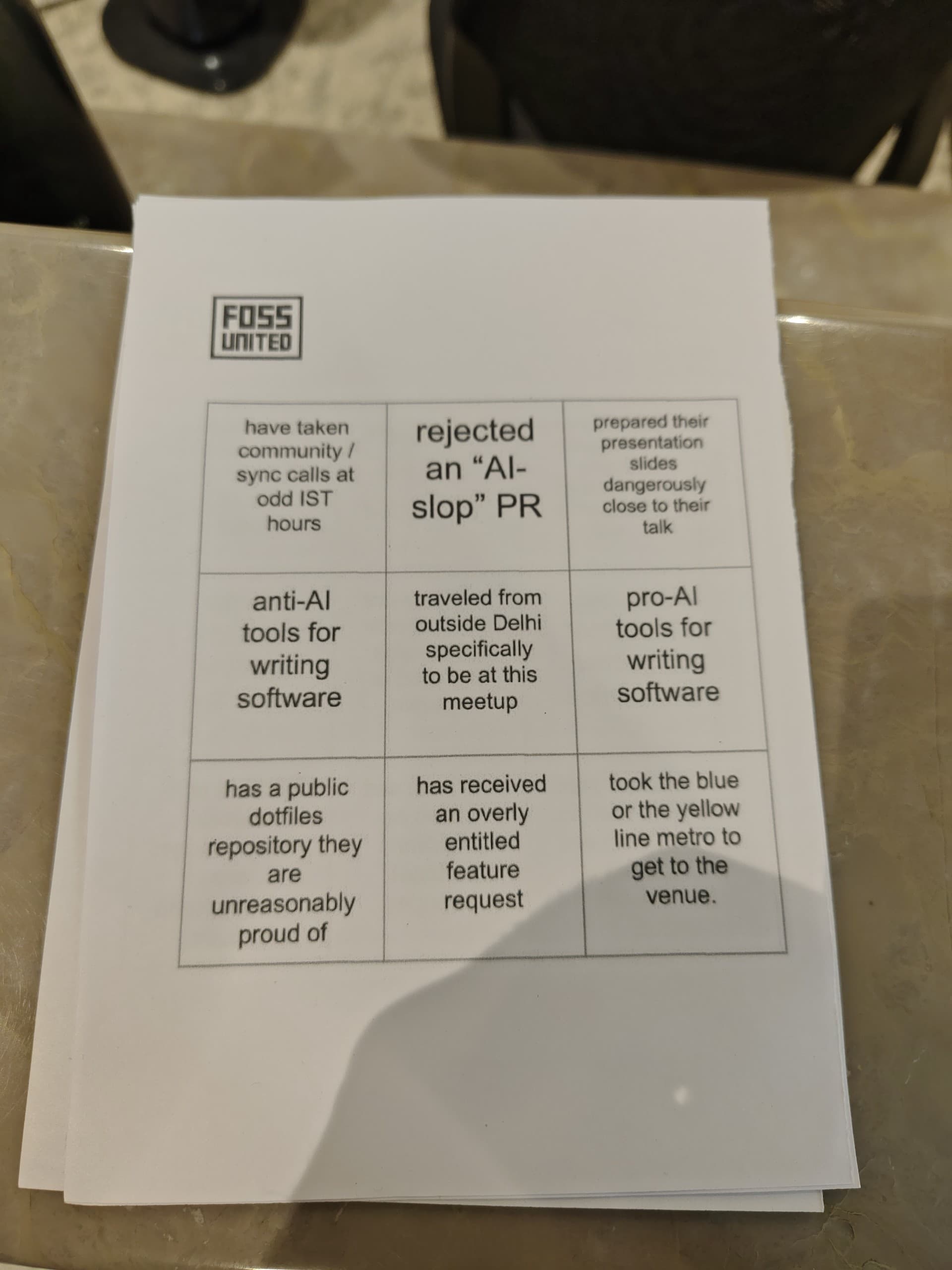
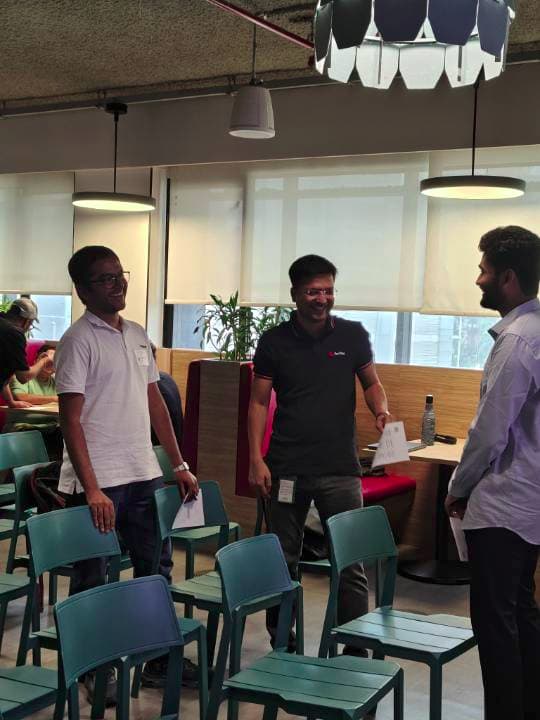
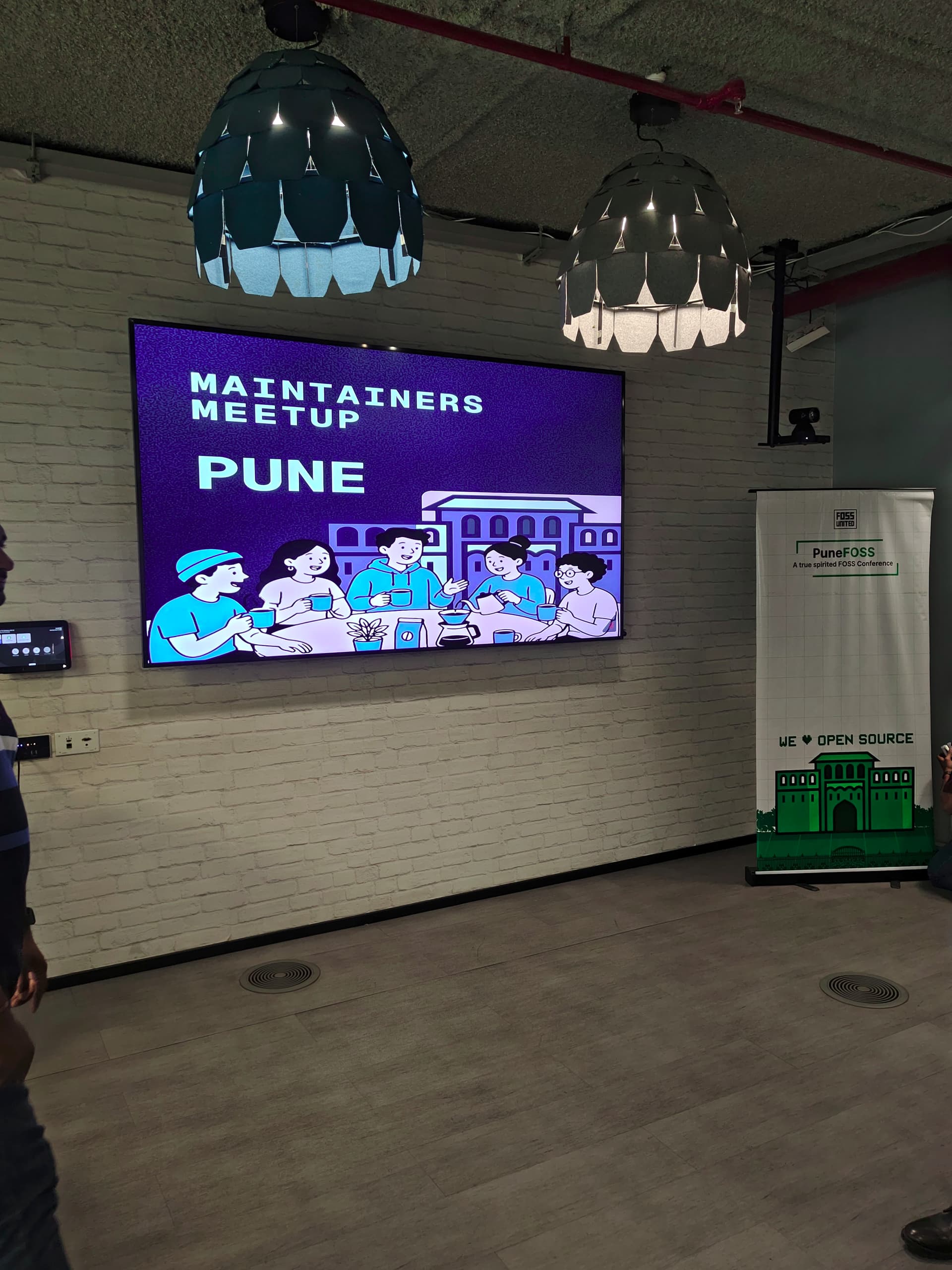
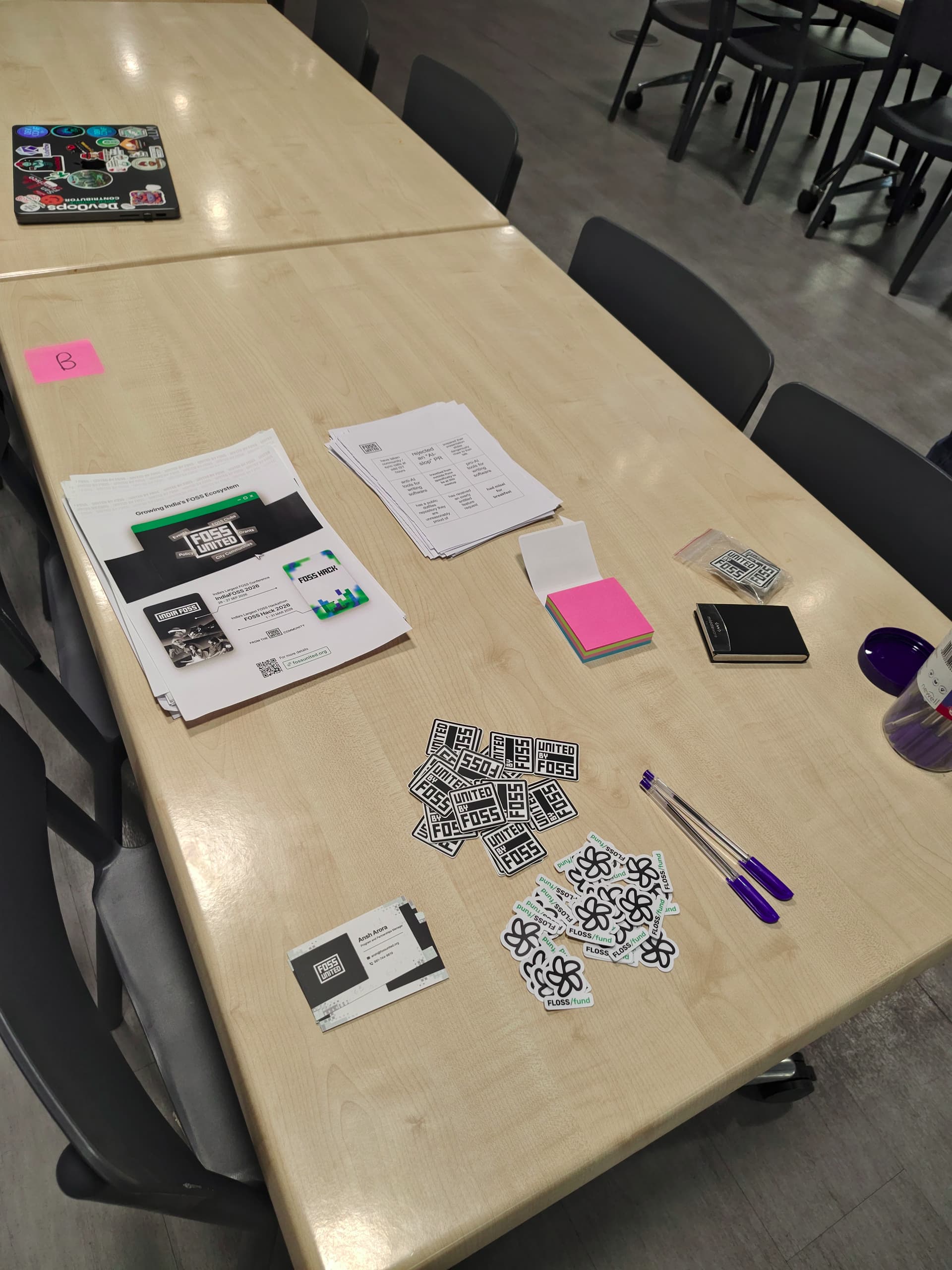
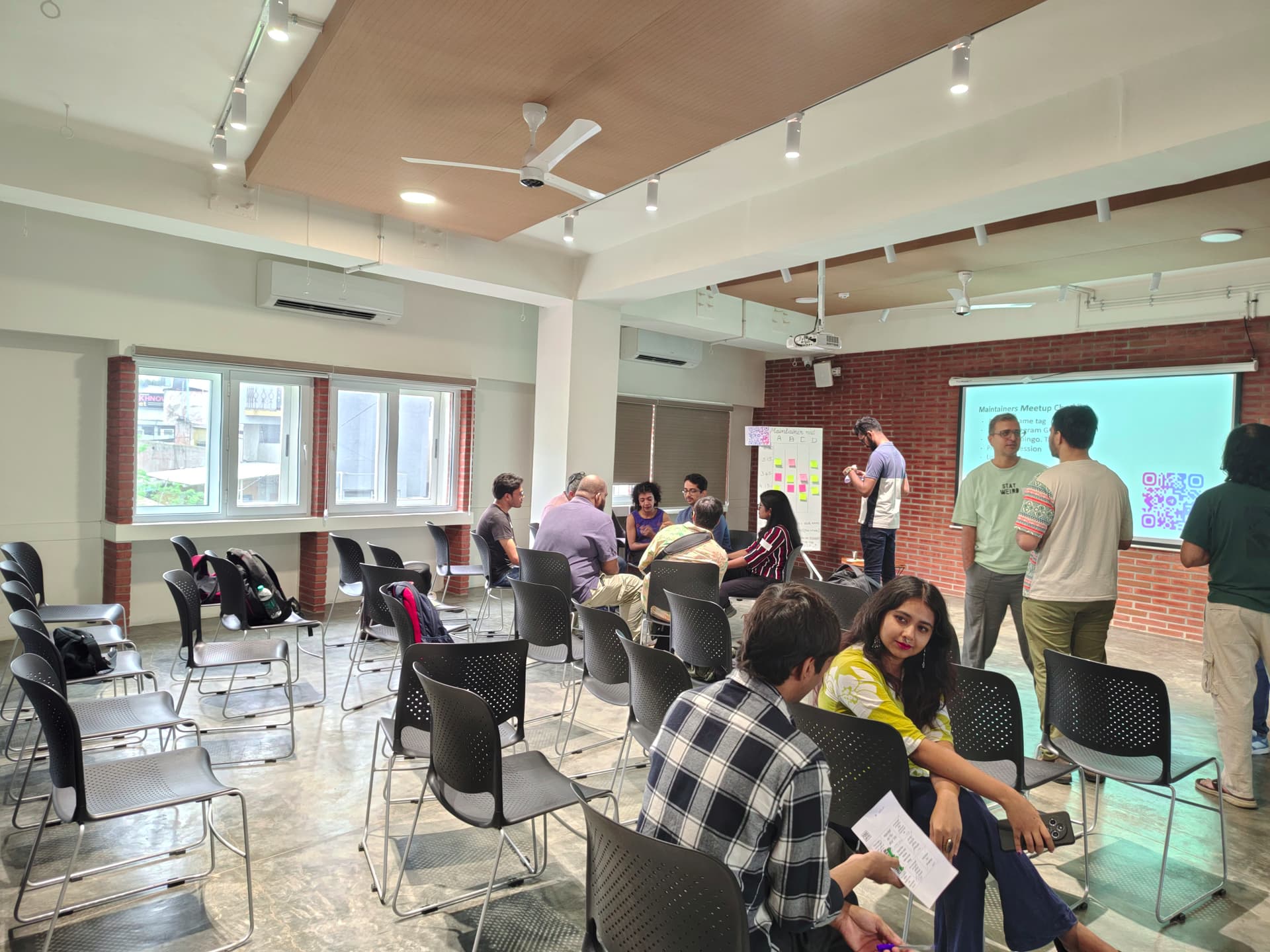
Detailed notes from discussions that happened at the meetups are posted here.
Huge thanks to Akshit, Onkar, Soham, Rajan (and the RedHat Pune team), Arun for helping out with the events.
Maintainer Meetups have gone well beyond May, and we will continue organising these through the year. We'll see some of you at the Maintainer Summit IndiaFOSS 2026 pre-event in September!
Notes from a Maintainer
We had always wanted to feature guest posts on our blog, and inviting Maintainers to tell their stories seemed like a great start! In May, we featured Prashanth Udupa, Ramya R. and Subhashish P. They are all veterans in the FOSS ecosystem, and their stories are worth a read.
Seeing how everyday citizens, armed with open tools and data, could actively shape disaster response, infrastructure, and urban planning changed everything for me. I realized that public service didn't have to look like a traditional bureaucratic career. FOSS isn't just a development methodology rather it is a vehicle for public equity at a massive scale.
- Ramya
If you are building something open source and you are not plugged into FOSS United, you are leaving a lot on the table.
Not because the community will do the work for you. It won't. But because the right conversation at the right time, with the right person, can unblock something you've been stuck on for months. A designer at a conference fixed my icons. A break-time chat about documentation changed how I handle support. An intern connection gave me features I couldn't build alone. A lawyer I'd never have found otherwise protected my project from patent risk.
None of these were planned. All of them happened because I showed up, gave talks, attended sessions, and talked to people. Scrite is what it is today partly because of the code I wrote, and partly because of the community I found. I'm grateful for both.
- Prashanth
Speech synthesis has always fascinated me as a technology. During 2014-2015, I reviewed the quality of eSpeak, an open-source speech synthesiser for Odia, as part of a Centre for Internet and Society project. While eSpeak remains one of the oldest and most widely used text-to-speech systems for Indian languages, its synthesised voice sounds unnatural and is hard to use for long periods. Though it's possible to build high-quality speech synthesis models with less data now, training speech synthesis models requires a lot of voice data. We also brought the Odia Wiktionary to life, a dictionary with meanings in many languages. Shitikantha Dash, a fellow Wikimedian, helped add over 100K headwords from the 1930–1941 lexicon Purnnachandra Ordia Bhashakosha. I started recording words to add pronunciations to Wiktionary and build a dataset for a future ASR project. Then, I started a project called Kathabhidhana based on a Python script written by Shrinivasan T. Later, open-source projects Lingua Libre, where I was a top contributor across all the languages supported at the time, and Mozilla Common Voice made this process easier. This project, with over 78,000 recordings, became the largest Odia voice dataset to be published with a Public Domain release. It was later archived in the Library of Congress's permanent digital records while serving over 21,000 pages on Wiktionary.
- Subhashish
You can read all of the blog posts here. This initiative has also went beyond #MaintainersMay, and we now bring you a guest blog post from a new maintainer every month!
All of this started as a fun experiment to find out if there were more than 30 maintainers in India. There are close to 100 people on forklore now. Clearly, India's FOSS ecosystem is growing faster than ever, and our support for the hundreds of people doing quality FOSS work in India has to be a show of force too. Over the last 6 months, we've spent a lot of time rethinking our approach to supporting the digital commons ecosystem. India's digital infrastructure rests on the shoulders of people like these. Behind almost every project that powers modern software infrastructure, there is a person or a small group of people who decided to build something and keep it alive. Foundations, Communities, Organisations and Companies all play important roles in the FOSS ecosystem, but the fundamental atomic unit of FOSS is the individuals who show up. This is why supporting these individuals is the foundation of our work.
The Maintainers Program is our initiative to support Indian FOSS project maintainers across the breadth of their entire journey, from getting discovered to becoming sustainable. A lot more Indians will be creating FOSS this decade, we want to help them sustain and navigate their journeys. If you're an organisation that wants to give back to the Indian FOSS ecosystem, or a Maintainer looking for support, please reach out.
Ansh Arora
Maintainers Program @FOSSUnited
No comments yet. Login to start a new discussion Start a new discussion