Notes From Our First Open Hardware Month
Every October, the Open Source Hardware Association (OSHWA) runs Open Hardware Month (OHM), encouraging communities around the world to host events that celebrate and build open source hardware.
FOSS United took part in the OHM campaign for the first time this year. At IndiaFOSS 2026 in September, the hardware devroom showcased projects and organisations from across India, and it made it clear that hardware needs both physical space and hands-on interaction for people to really grasp the idea.
Our aim with the Open Hardware Month (OHM) was to highlight communities and makerspaces running hands-on, open hardware-focused events in October. The events we featured aimed to educate people about open source hardware, encourage them to contribute, strengthen existing projects, and expand the open hardware network.
Process & People
In August and September 2026, I began reaching out to organisations and people working to foster open source hardware in India. The idea was simple: highlight these organisations by sharing their October events. I spent the days leading up to IndiaFOSS 2026 speaking with them and introducing the OHM campaign.
Absurd Industries, PCB Cupid, and TinkerHub were already on my list because of their past participation in FOSS United events and wider open source initiatives. It was great to talk to Anoop, Chief Hacker at Maker’s Asylum, and discover how much our initiatives overlap. He later connected me with Richa, the Director of Maker’s Asylum, who shared their list of planned events.
I also spoke with HackerFab at IIT Bombay and YLAC. These conversations helped me understand their mission and possibilities for introducing open source hardware to younger, non-technical audiences. A few ideas floated were about hardware licences, open hours for students to use makerspaces, and inviting hardware enthusiasts to talk to students. Unfortunately, I couldn’t find a makerspace in time to give the students a hands-on hardware experience. I had connected with Vigyan Ashram, which could have been a possible venue for this. I later came across MakersBox Foundation, where we held an introductory session on open source.
By the time IndiaFOSS arrived, we had a more structured process for adding events to our website. We directly linked the community and events pages, and offered operational support in planning these events.
Events
We featured six communities and makerspaces with 26 hands-on events in Kerala, Karnataka, Delhi and Goa on our page, with weekly social media posts.
TinkerHub ran weekly Makers Thursdays, with sessions, workshops, and showcases related to open source hardware. They also held introductory project sessions, sessions for school students, and regular repair cafés where anyone could come and improve their projects.
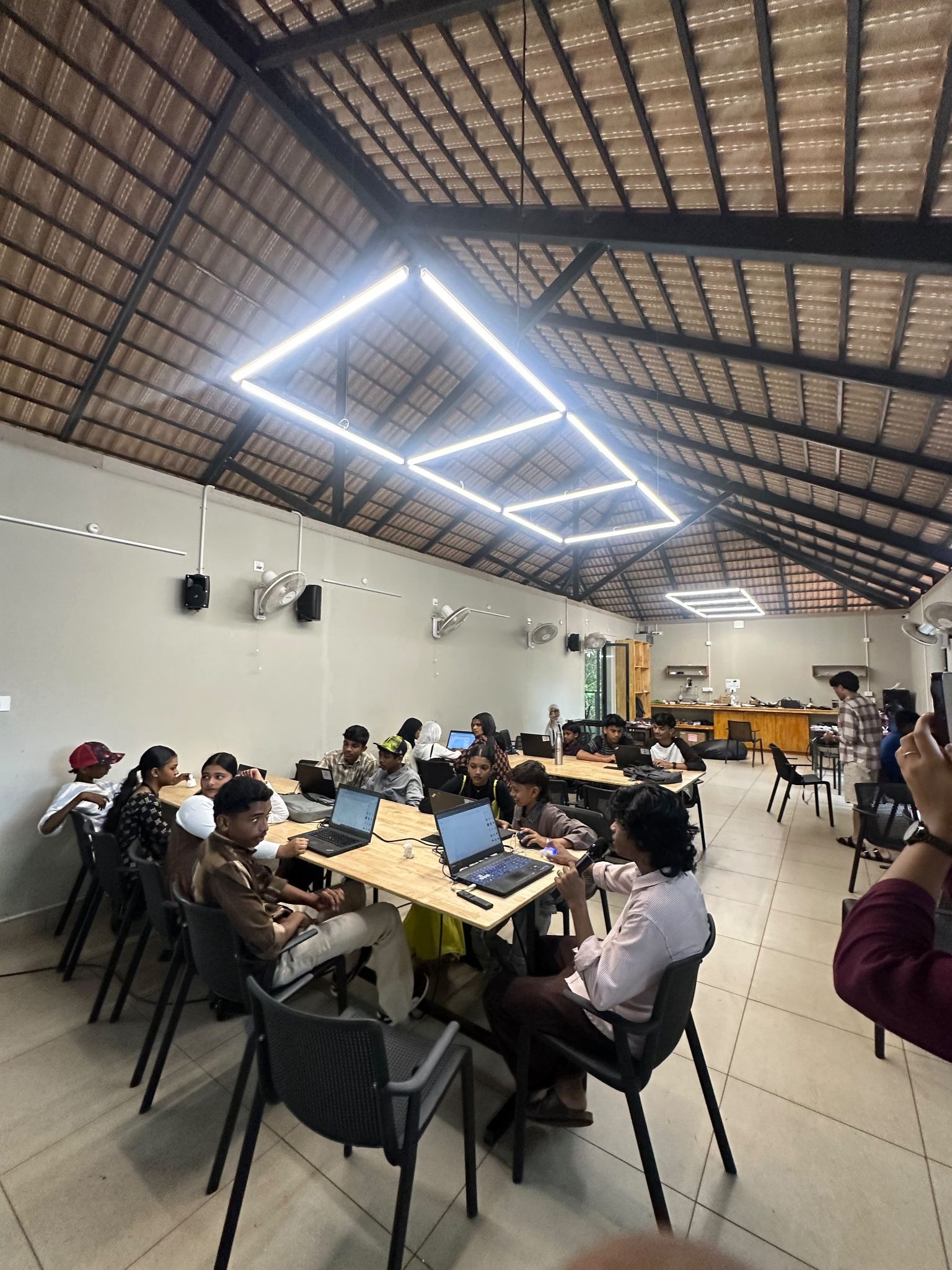
Maker’s Asylum hosted informal gatherings such as a BBQ, showcased young builders, helped run a month-long residency for creative technologists, and organised design sprints on urban resilience.
Check out their updates on their website: https://www.makersasylum.com/
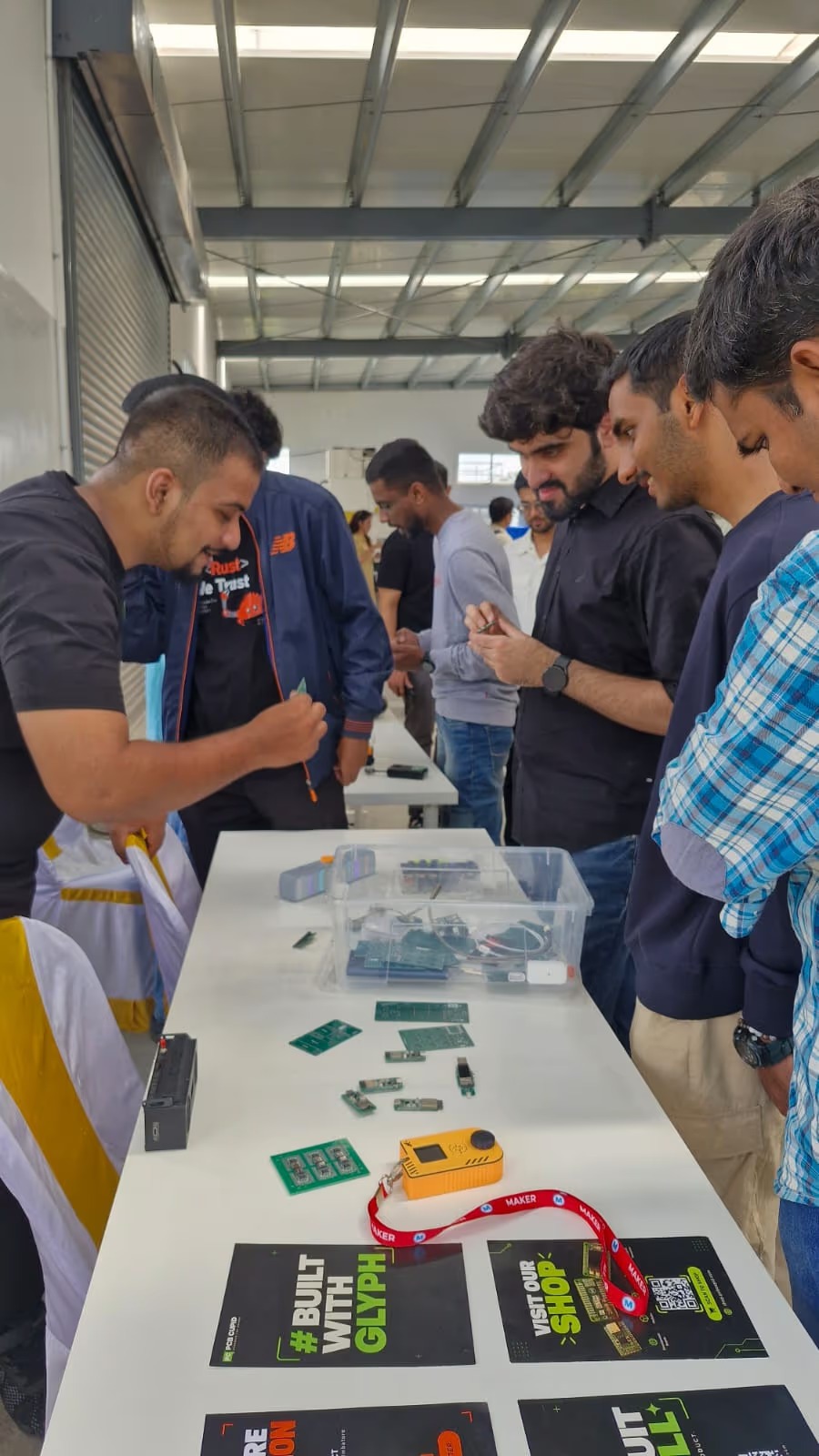
PCB Cupid, Absurd Industries, and SillyCuts hosted a “Hardware Guild” where makers and manufacturers met. Most of the 30 participants brought projects to showcase.
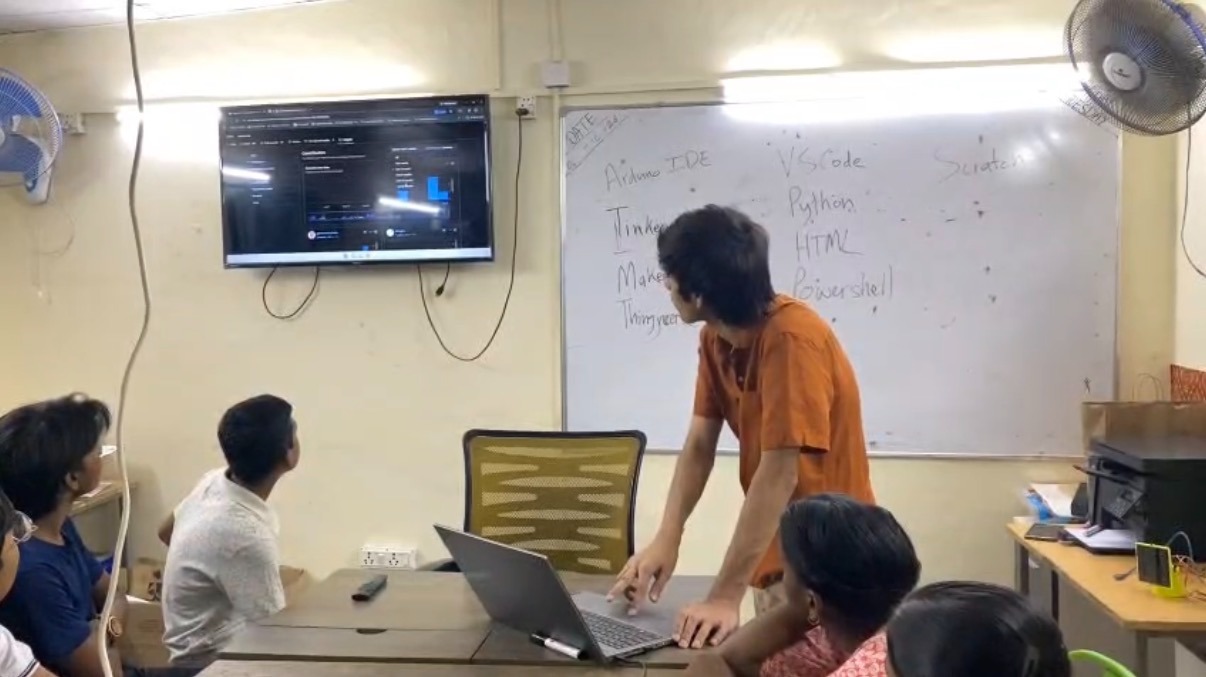
MakersBox Foundation helped us talk to students aged 10-16 from the Badarpur locality in Delhi. Amay from Ashoka Makerspace led the session. The students were already building projects using block coding on MIT App Inventor, and we asked them to imagine how the process would look if they used open source tools and documented their work on Git platforms.
Learnings & Future
Most events weren’t finalised until mid-October. We also didn’t host any events ourselves. The organisations ran them independently, and we supported them by connecting them with relevant people or helping with planning. Because the events were entirely community-run, they also drew more local participation.
Next year, we'll start outreach in June/July, and have more conversations with a diverse set of organisations, including more makerspaces, non-profit organisations, and educational institutions. We'd also like to explore how these groups could collaborate with each other. For informative sessions, we'd like to test whether online or hybrid formats work. I'll also keep in touch with the people I met through OHM, including as we plan FOSS Hack 2027.
Thank you to everyone who took part in OHM 2026, from the organisers who ran events to the people who showed up to build, repair and learn. A special thank you to Mecha for sponsoring OHM this year and helping make it possible.
If you run a community or makerspace and would like to be part of OHM 2027, keep an eye out for our call for proposals next summer. In the meantime, you can also join FOSS Hack 2027, our month-long digital commons hackathon in February. Hardware projects can join as Partner Projects and share issues for participants to contribute to. Makerspaces and organisations can join as Partner Organisations and share problem statements from their work.
Email us at fosshack@fossunited.org or events@fossunited.org to get involved.

No comments yet. Login to start a new discussion Start a new discussion