IndiaFOSS 2026 Devrooms

hardware

IndiaFOSS 2026 Devroom

Open Hardware

Open-source hardware is a vital but still underrepresented part of the FOSS ecosystem. While open-source software has become mainstream, open hardware still faces unique challenges around cost, manufacturing, sourcing parts, documentation, licensing, testing, repairability, and distribution.

At the same time, open hardware in India is at an exciting point. More students are designing their first PCBs, more indie makers are shipping kits, more collectives are forming around building things, and more ambitious open hardware products are reaching global audiences.


Last year, the Open Hardware Devroom at IndiaFOSS 2025 proved that there is a strong audience for this space. This year, we want to shift the focus toward the next generation of builders.


The Open Hardware Devroom aims to bring together makers, hardware engineers, students, researchers, educators, kit builders, collectives, and first-time hackers working in open-source electronics, embedded systems, DIY hardware, open manufacturing, and community-driven hardware development.

The goal is simple: make the devroom a place where people leave thinking, “I can build something too.”


What We Hope To Do


Through this devroom, we hope to:

  1. Showcase real-world open hardware projects being built in India and beyond.
  2. Give young makers, students, and first-time builders a platform to present their work.
  3. Discuss the practical challenges of building and shipping hardware openly.
  4. Share knowledge around PCB design, embedded systems, fabrication, manufacturing, licensing, and documentation.
  5. Strengthen the Indian open hardware community through collaboration and networking.
  6. Help the next open hardware project find its first users, collaborators, or contributors.


Call for Proposals


We invite proposals that focus on open-source hardware development, community-driven innovation, hands-on making, and real-world hardware projects. Suggested topics include:

  1. DIY Projects: Personal and community-driven open hardware builds, such as kits, gadgets, wearables, tools, art installations, robotics, assistive devices, or experimental electronics.
  2. First-Time Builders: Talks from students, young hackers, and first-time speakers about their first PCB, first kit, first hardware project, first failure, or first shipped build.
  3. Design and Tools: Workflows, lessons, tips, and war stories using KiCad, EasyEDA, LibrePCB, and other PCB design tools.
  4. Microcontrollers: Projects and learnings around Arduino, ESP32, STM32, RP2040, Zephyr, FreeRTOS, CircuitPython, MicroPython, and other embedded platforms.
  5. Silicon and FPGAs: RISC-V, open ASICs, FPGA toolchains, HDL workflows, verification, and open silicon development.
  6. Prototype to Product: The journey from breadboard to PCB, from prototype to kit, and from small-batch manufacturing to Kickstarter or commercial hardware.
  7. Security and Trust: Transparency, verifiability, secure design, supply-chain trust, and security practices in open hardware.
  8. Community-Driven Development: How to build and sustain maker communities, hardware collectives, student groups, hackerspaces, and guilds.
  9. Manufacturing, Supply Chain, and Documentation: Lessons from sourcing parts, working with manufacturers, writing documentation, testing boards, managing revisions, and supporting users.
  10. Cross-Disciplinary Collabration: Open hardware applied to education, agriculture, accessibility, sustainability, art, music, science, civic technology, environmental monitoring, or any other domain.


Preferred Talk Formats

FormatDuration
Lightning Talk10 min + 5 min Q&A
Standard Session20 min + 5 min Q&A
Fireside Chat / Demo30 min + 5 min Q&A


Selection Process


As with IndiaFOSS 2025, we plan to use an open community voting system for talk selection. The community will be able to browse submissions and vote for the talks they want to see. Votes will be filtered using verified-email checks to reduce spam and maintain legitimacy. The final selection will be based on community votes, with the methodology published transparently.


References

Here's a sampling of the kind of things we're looking for:

  1. IF 2025 Open Hardware Devroom Playlist
  2. Open Hardware Hackathon with PCB Cupid: https://www.youtube.com/watch?v=Max74m77wUk
  3. Mecha Comet Kickstarter: https://www.kickstarter.com/projects/mecha-systems/mecha-comet-modular-linux-handheld-computer
  4. Whybit: https://whybit.in/


Proposal Submission


Please submit proposals for this devroom using the link below Ensure that you select “Open Hardware” as the track.

Call For Proposals

Submit a proposal

Specify the devroom while proposing your session in the track field.

Devroom Managers

Devroom Managers


This devroom is coordinated by

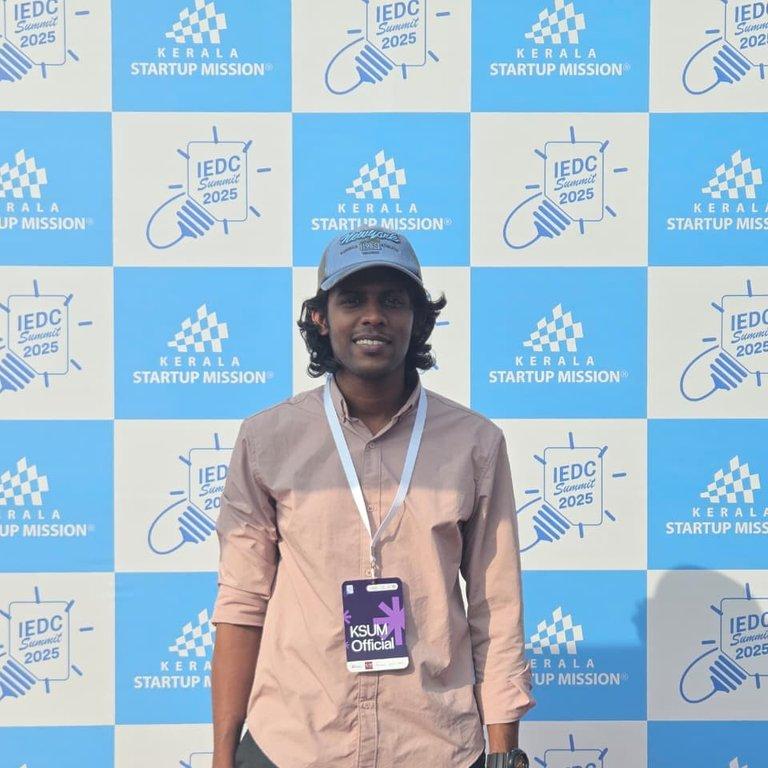
  1. Balu Babu
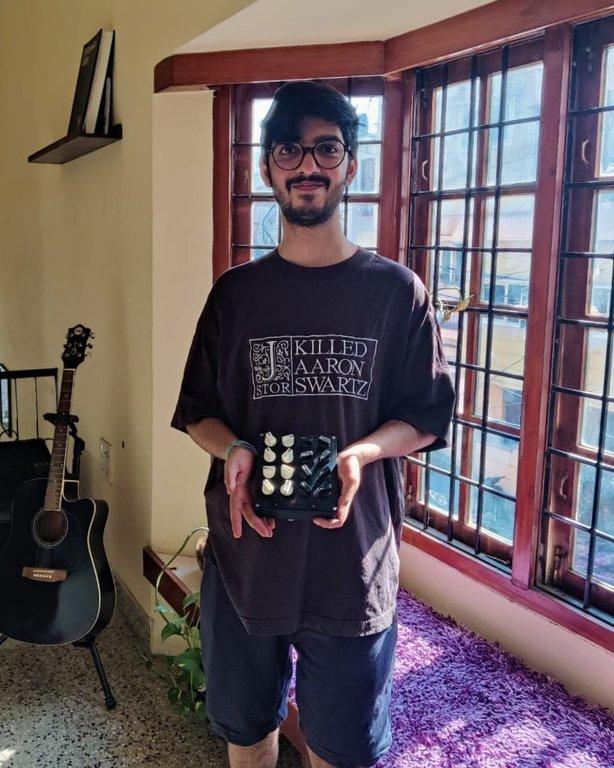
  2. Amit


Balu and Amit are core members of Absurd Industries, an open hardware community in Bangalore dedicated to getting more people to build things. Since 2023, Absurd Industries has been holding monthly maker meetups, bringing together hardware engineers, students, hobbyists, artists, tinkerers, and first-time builders.


We've hosted hands-on sessions, hardware demos, community project showcases, open hardware discussions, and collaborative builds. Over time, people in the community have built everything from indie hardware kits and PCB projects to open Linux handhelds, robotics, embedded systems, and experimental hardware.


At our core, we believe in lowering the barrier to open hardware. We want more people to not only learn about hardware, but to actually build, modify, document, publish, and ship it.


Communities Involved


This devroom is organized with involvement from Absurd Industries, PCB Cupid, ampere.works, and contributors from the broader Indian open hardware and FOSS ecosystem.


Absurd Industries is a Bangalore-based open hardware community focused on helping more people build physical technology through meetups, workshops, demos, showcases, and hands-on learning.


Vader brings experience in building hardware-assisted infrastructure and network diagnostics, with a focus on practical edge devices, on-prem deployments, and real-world reliability problems in physical environments.


PCB Cupid supports hardware builders through PCB-focused learning, manufacturing access, community events, and practical resources for people moving from idea to manufactured boards.


ampere.works brings experience across electronics development, hardware product development, and helping makers move from prototypes toward real-world hardware.


Together, we want this devroom to be a community-curated space for open hardware builders across India.