Workshop
Intermediate
Code samples: MIT License | Slides & documentation: CC BY-SA 4.0
Choosing the Right Modern Java Framework: A Hands-on Battle Between Micronaut, Quarkus, Helidon, and Javalin (WORKSHOP)
Rejected
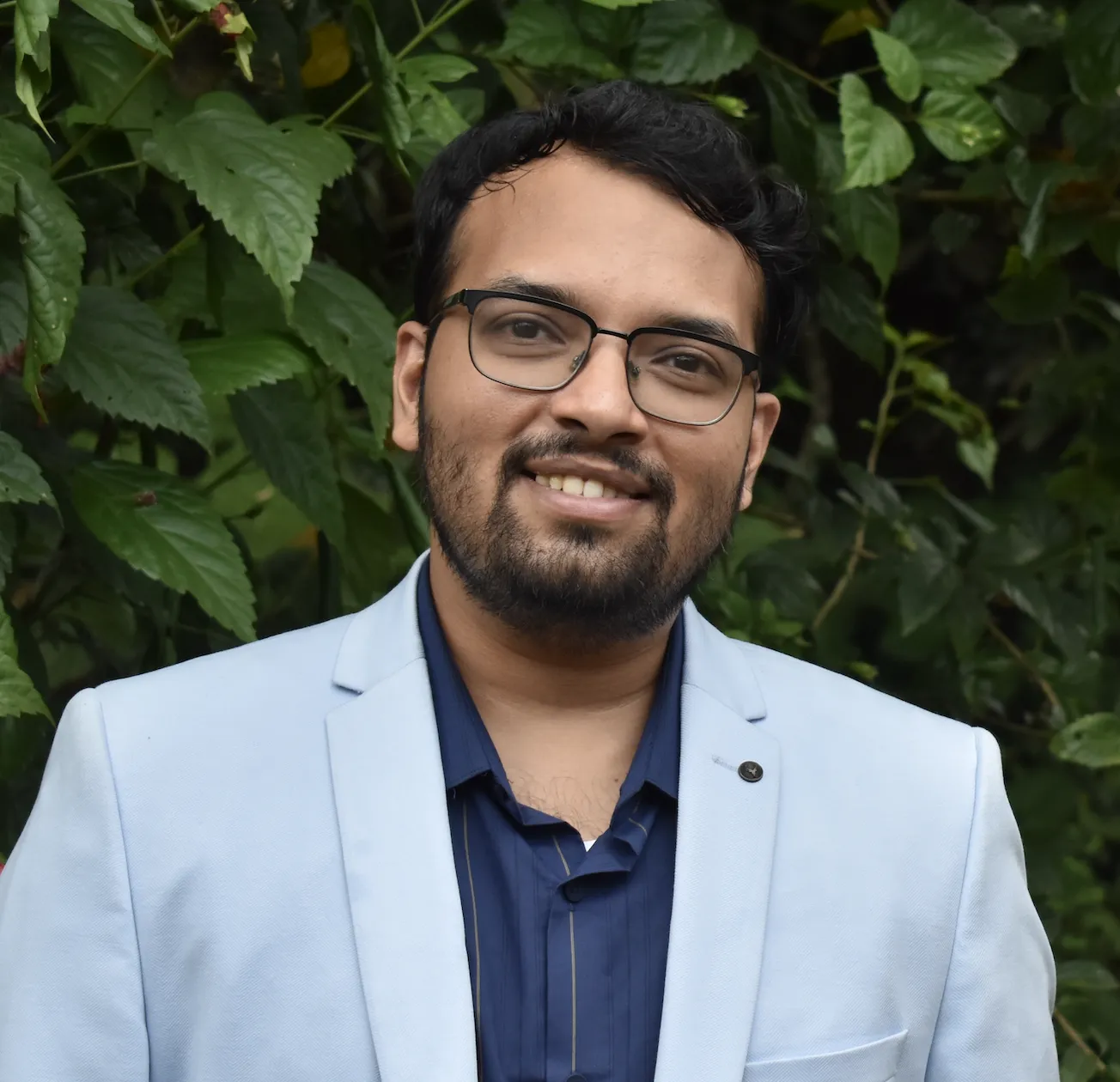
Sumukh Bhandarkar
References
Session Categories
Engineering practice - productivity, debugging
Technology / FOSS licenses, policy
Talk License:
Code samples: MIT License | Slides & documentation: CC BY-SA 4.0
Speakers
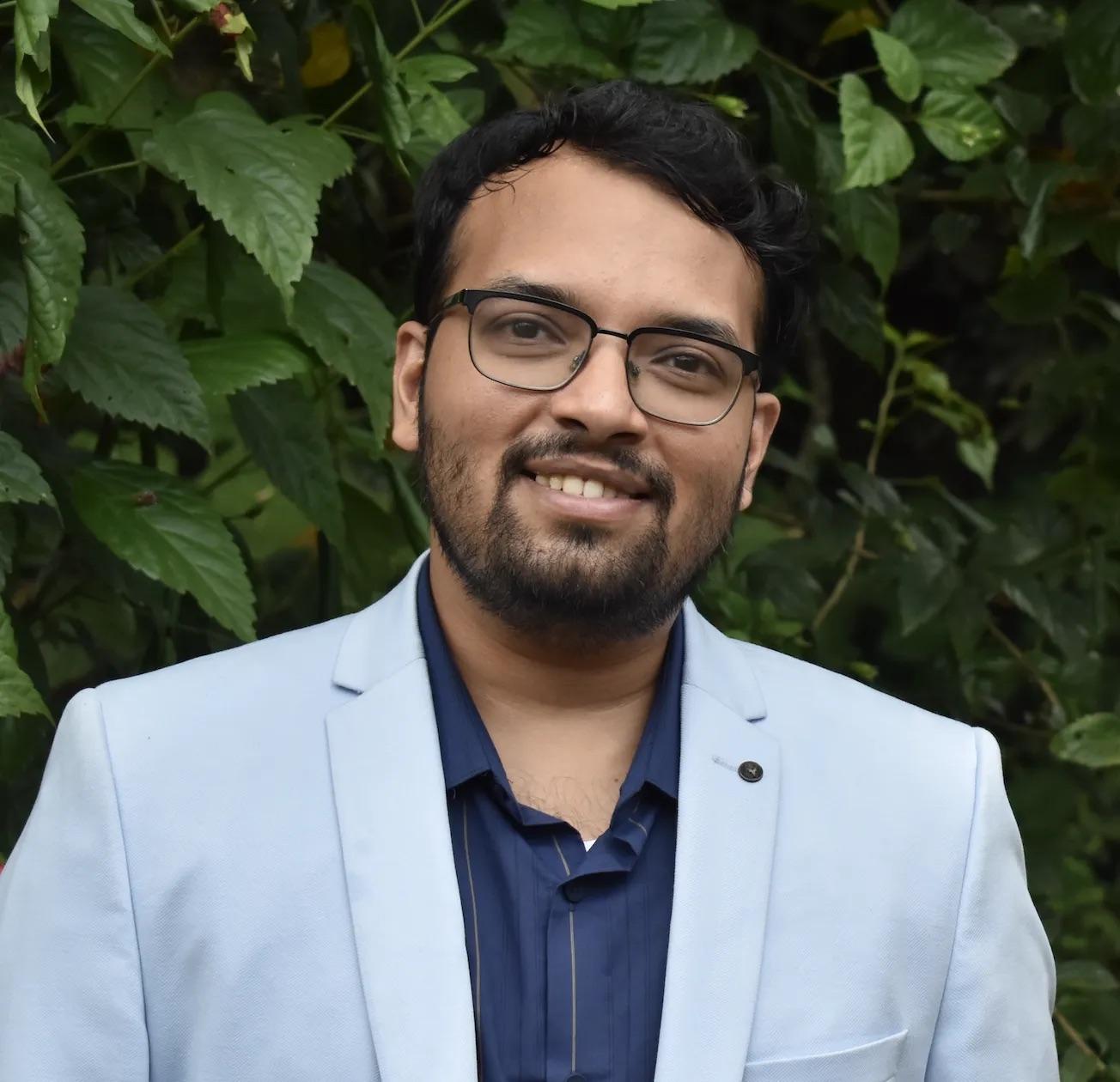
Sumukh Bhandarkar
Sr Engineer | Target
Senior Software Engineer with extensive experience designing and building resilient, scalable backend systems. Skilled across Java, REST, GraphQL, microservices, event-driven architectures, containers, and distributed systems. Passionate about clean architecture, performance optimization, and solving real-world engineering challenges at scale.
A natural teacher with a strong desire to mentor, share knowledge, and contribute to the tech community through talks, workshops, and open-source collaboration.
At the end of the day?
Just yet another engineer, who loves what he does.