The future of FOSS, SWE and Technical Education
References
Session Categories
Speakers
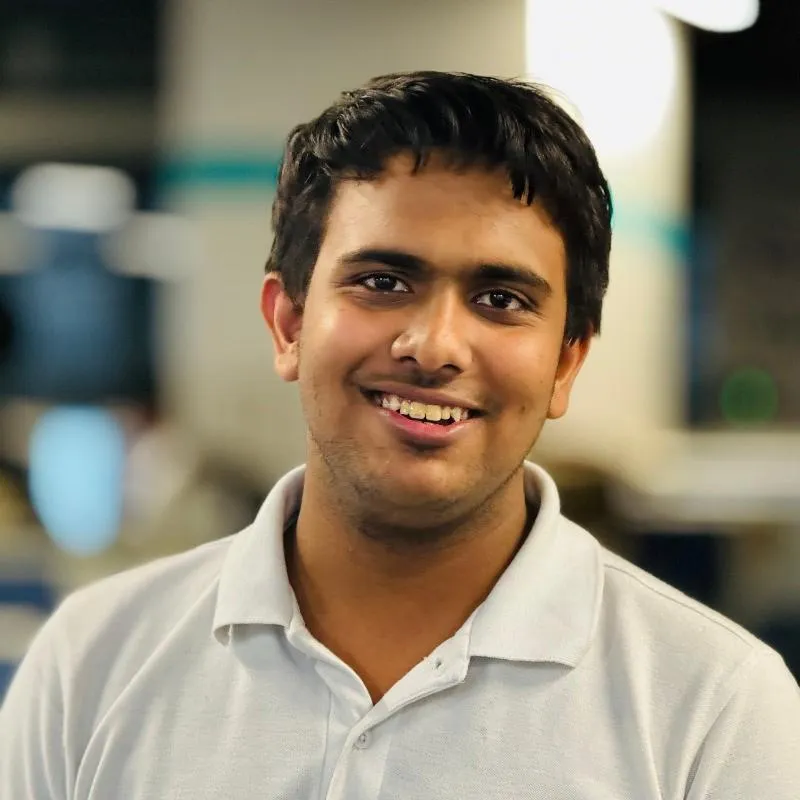
![[MODERATOR] Ansh Arora](/files/maBlw7Xq_400x400.jpg)
Ansh works on Maintainer Programs at FOSS United Foundation, an initiative to support and promote Indian FOSS projects and Maintainers.
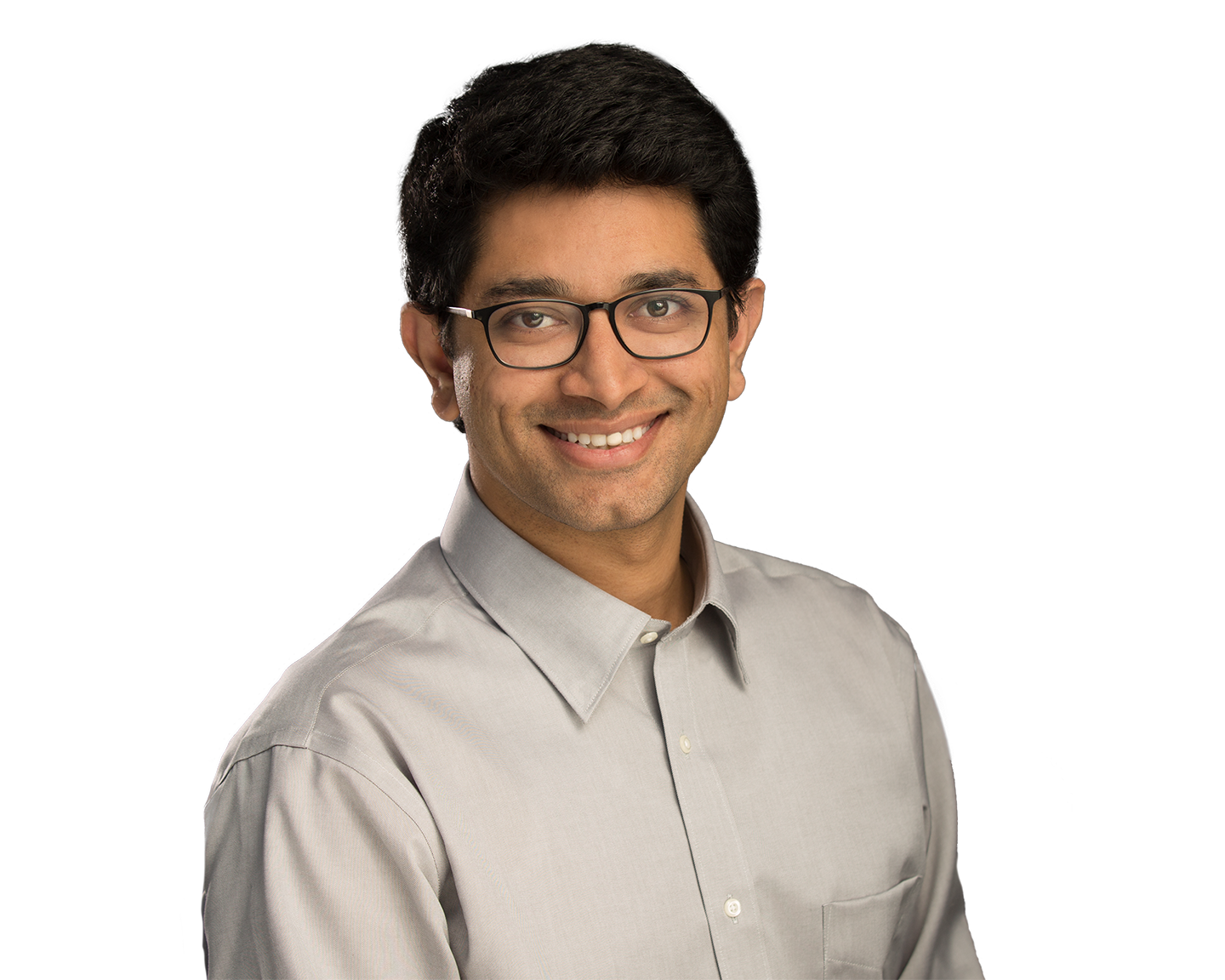
Rahul is the CEO of the FOSS United Foundation, which works to support and promote the Free & Open Source Software (FOSS) ecosystem in India. He has been contributing to the FOSS ecosystem for more than eight years, both through code contributions and by giving talks about various FOSS technologies.

VP, Tech@Zerodha
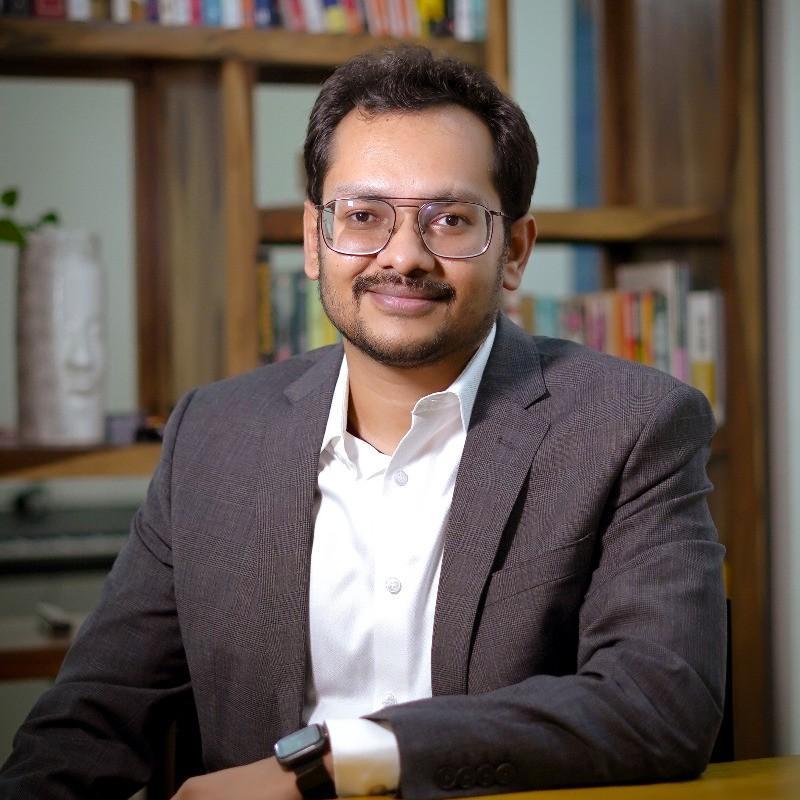
An Engineer turned Entrepreneur associated with the Open source Ecosystem since 2009.
Founding member of communities like pydelhi.org and asetalias.in, elixir-delhi.
Loves tinkering with technology and mentoring curious minds.
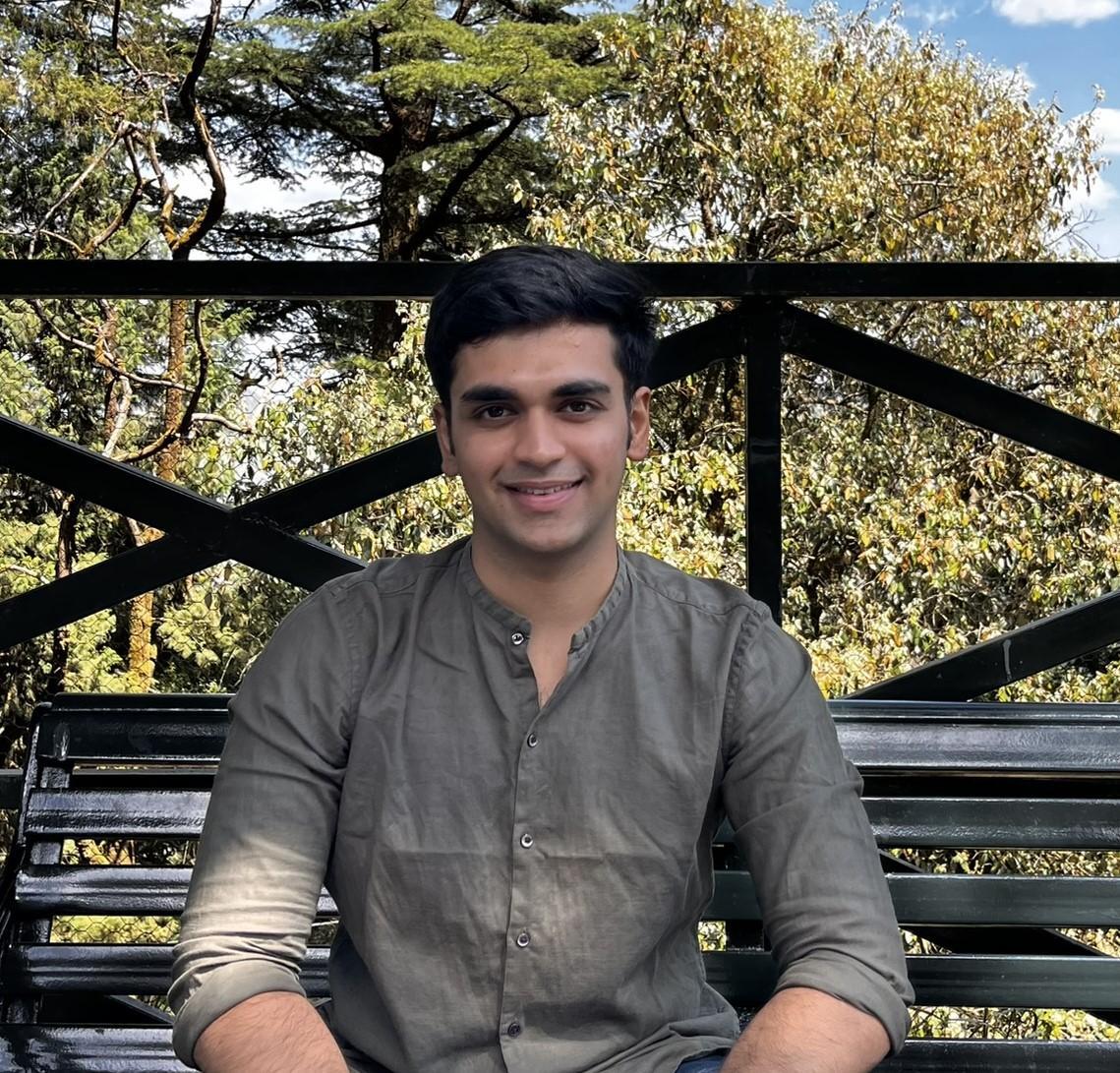
I work in policy & ecosystem building - connecting work across government, industry & academia. From shaping the National Policy on Electronics 2024 to funding EV batteries and solar cells research, I've tried my hand at shaping high-level policy in my past life. In my current life at Samagata Foundation, I explore how to facilitate creation of common knowledge, ideas & infrastructure.