Skip to Main Content
Talk Beginner First Talk

Introduction to Physical AI: Getting Started with Intelligent Robots
Proposal status is Rejected
Vinay
Vinay
Session Description


Physical AI is quickly becoming one of the most exciting areas in AI, but it can be difficult to know where to begin. This talk is an introduction for anyone who wants to understand what Physical AI is, how these systems work, and how to start building them.


Rather than being a theory-heavy session, this will be a hands-on introduction to Physical AI with live demonstrations. The session will feature LeRobot, Reachy Mini, and OpenDuck Mini, along with the hardware used to build and train them, allowing attendees to experience these systems in action rather than through videos or slides.


I'll share my experience of building and training these robots from scratch, explaining the complete Physical AI workflow from hardware and sensors to data collection, model training, and deployment. Along the way, I'll simplify the core concepts behind Physical AI using real-world examples and practical demonstrations.


My goal is to make Physical AI approachable for beginners, makers, and AI enthusiasts. By the end of the session, attendees will have a clear understanding of the Physical AI ecosystem, the open-source tools available today, and how they can start building and experimenting with Physical AI on their own.


Live Demonstration Robots


Robot NameBrief DescriptionReference Demonstration
OpenDuckMiniAn open-source bipedal walking robot that demonstrates locomotion, balance, and Physical AI. The demo showcases how imitation learning enables the robot to walk, respond to commands, and interact with its environment.https://www.youtube.com/watch?v=7_LW7u-nk6Q
ReachyMiniAn open-source desktop humanoid robot designed for human-robot interaction. The demo highlights expressive movements, vision-based interaction, voice capabilities, and AI-powered behaviors for building interactive robotics applications.https://www.youtube.com/watch?v=JvdBJZ-qR18
LeRobotA Physical AI framework featuring robotic arms and hands trained through imitation learning. The demonstration covers teleoperation, data collection, policy training, and autonomous task execution, showing the complete workflow for building intelligent manipulation systems.https://www.youtube.com/watch?v=oitT8geMat0


Talk Breakdown


1. Why Physical AI? (3–4 mins)

  1. What is Physical AI?
  2. Why is everyone talking about it?
  3. How it differs from Generative AI and traditional robotics.
  4. Why this is the next frontier of AI.

2. The Physical AI Ecosystem (5 mins)

  1. The anatomy of a modern Physical AI system.
  2. Hardware, sensors, actuators, cameras, and compute.
  3. The role of open-source robotics.
  4. Introduction to LeRobot, Reachy Mini, and OpenDuck Mini.

3. Building a Physical AI Robot (8–10 mins)

  1. How I built these robots from scratch.
  2. Hardware assembly and software setup.
  3. Collecting demonstrations using teleoperation.
  4. Training robot policies.
  5. Running inference and deploying models on the robot.
  6. Lessons learned and common pitfalls.

4. Live Robot Demonstrations (8–10 mins)

  1. Live demonstrations using LeRobot, Reachy Mini, and OpenDuck Mini.
  2. Walk through the hardware.
  3. Show teleoperation, perception, and task execution.
  4. Explain what is happening behind the scenes as the robots perform tasks.

5. Getting Started with Physical AI (3–4 mins)

  1. Open-source tools and learning resources.
  2. Recommended hardware for beginners.
  3. A practical roadmap for building your first Physical AI project.
  4. Q&A (time permitting).


Key Takeaways


  1. Understand what Physical AI is and why it is emerging as the next frontier of AI.
  2. Learn the end-to-end workflow of a Physical AI system, from hardware and sensors to data collection, model training, and deployment.
  3. Experience live demonstrations of open-source robots, including LeRobot, Reachy Mini, and OpenDuck Mini, along with the actual hardware used to build them.
  4. Explore how open-source robotics frameworks are lowering the barrier to building intelligent robots.
  5. Discover the tools, resources, and learning roadmap needed to start building your own Physical AI projects.
  6. Leave with the confidence to build your first Physical AI application, whether you're an AI engineer, student, maker, or robotics enthusiast.

References

Session Categories

Knowledge Commons (Open Hardware, Open Science, Open Data etc.)

Which track are you applying for?

Open Hardware

Speakers

Vinay
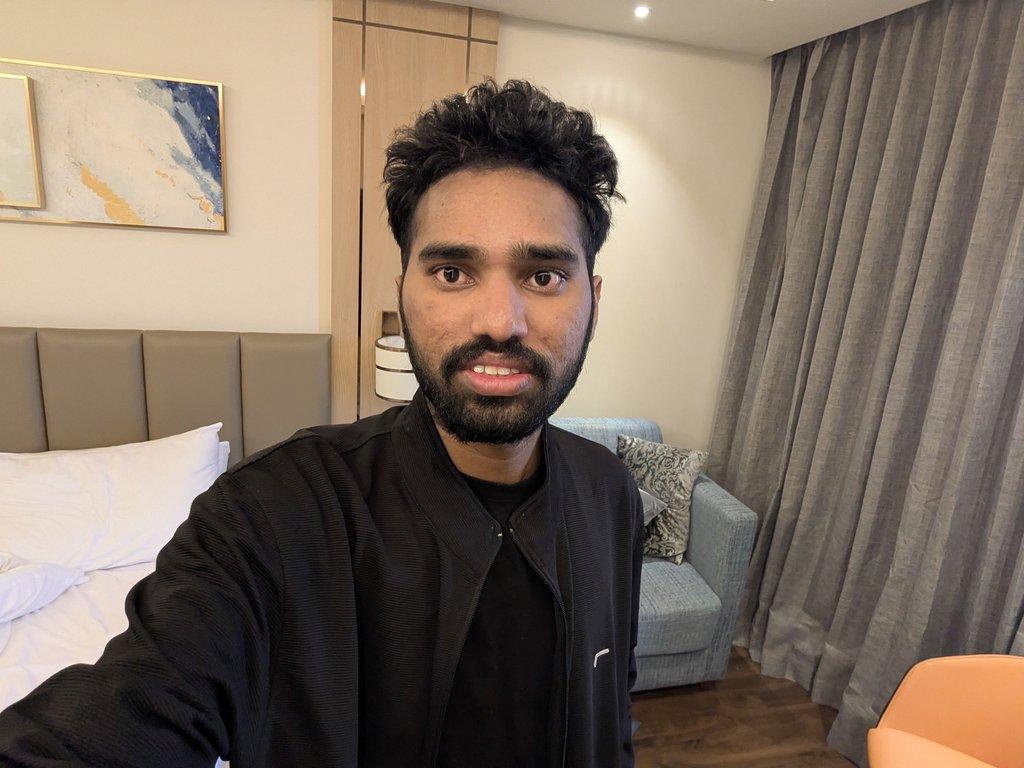
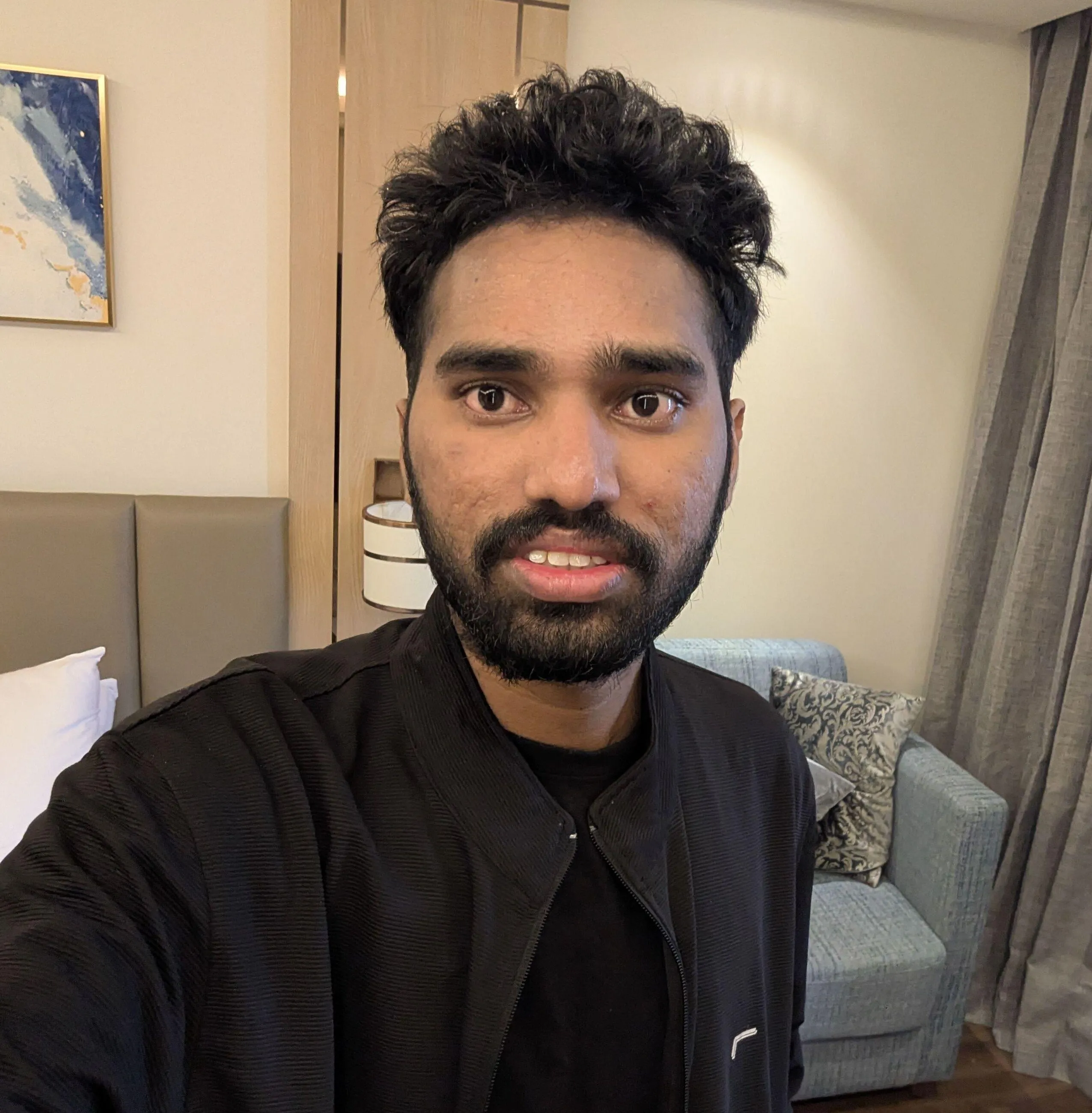
Vinay Senior AI Engineer & Applied Scientist @ v4c.ai + Founder @ MakerWorks Lab | v4c.ai + MakerWorks Lab

Vinay Ummadi is a Senior Applied AI Scientist, IIT Kharagpur alumnus, robotics educator, and the founder of MakerWorks Lab, where he is building a thriving maker community in Mumbai around robotics, AI, and open-source hardware. He builds production-grade AI systems while actively exploring the intersection of AI and robotics through Physical AI.

Over the past few years, Vinay has mentored students and engineers in robotics, programming, and embedded systems, with his teams winning awards and representing India at prestigious competitions including NASA Space Apps, World Robot Olympiad (WRO), VEX Robotics, and FIRST Robotics. His current work focuses on building and training open-source robots using platforms such as LeRobot, Reachy Mini, and OpenDuck Mini, making Physical AI more accessible to developers, students, and the broader maker community.

Through MakerWorks Lab, Vinay is passionate about fostering hands-on learning, open-source collaboration, and empowering the next generation of robotics builders.

Kiara Bhandari
Kiara Bhandari High School Student | Oberoi International School and MakerWorks Lab

Kiara Bhandari is a high school student at Oberoi International School and an active member of MakerWorks Lab, where she builds projects in robotics, computer vision, embedded systems, and Physical AI. She has worked on autonomous robots, AI-powered sign language translation, computer vision applications using OpenCV, and Physical AI systems built using the LeRobot framework.

Kiara has represented India at the World Robot Olympiad (WRO) Future Engineers competition, securing Rank 4 nationally, and was selected to represent India at the WRO World Open Championships in Panama and Manila. She is also a PCEP Certified Entry-Level Python Programmer and participated in Ahmedabad University's Grand Challenges Programme, where she developed technology-driven solutions for urban sustainability.

Beyond engineering, Kiara serves as the President and founding member of the Interact Club of Oberoi Garden City and hosts the ChangeMakers Mic'd Up podcast, where she amplifies youth-led initiatives and social impact projects. She is passionate about making robotics and Physical AI accessible to students through hands-on learning and open-source technologies.