Skip to Main Content
Talk Intermediate Apache License, Version 2.0 First Talk

The United Nations Open Source Software Running at International Borders That Nobody Knows About

Proposal status is Rejected
Session Description

Introduction:

Most open source projects have developers or companies as their users. This one has customs officers at borders from sovereign nations. This talk is about the eTIR National Application, open source software running at international borders that most of the FOSS community has never heard of, and what it reveals about how far open source actually reaches. I've been contributing to it as a UN Volunteer under UNECE Geneva.


Background:

  1. The TIR Convention is a 70 year-old United Nations customs transit system, a single transit document that lets trucks cross multiple international borders without posting a separate customs bond at each one. In 2020 it went digital, paper documents replaced by a digital system connected to a central UN platform in Geneva.
  2. This created an issue: most developing nations can't build a custom integration to a UN platform from scratch. It's expensive, slow, and locks them into proprietary vendors for infrastructure at the heart of their international trade.
  3. UNECE's response was the eTIR National Application, open source, fully deployable. Any contracting country can run it, own it, modify it. Tajikistan did in early 2026. More countries are following, with the UN adopting open source as a strategic policy choice for intergovernmental systems.


What this talk covers:

  1. What the eTIR National Application actually looks like, the architecture, the codebase, and how a national deployment talks to Geneva
  2. What changes about open source when the users are government ministries, the spec is an international treaty, and a bad deploy is a border operations failure
  3. What all of this reveals about the reach of FOSS beyond the developer bubble, and why it matters
Key Takeaways
  1. Open source reaches further than developer tooling, this talk is proof
  2. A walkthrough of the National Application's architecture and how national deployments talk to Geneva
  3. How FOSS norms and practices change when governments are the users and treaties are the spec
  4. There are open source projects running critical public infrastructure, and they need contributors too

References

Session Categories

Technology / FOSS licenses, policy
Story of a FOSS project - from inception to growth
Contributing to FOSS
Talk License: Apache License, Version 2.0

Which track are you applying for?

Main track

Speakers
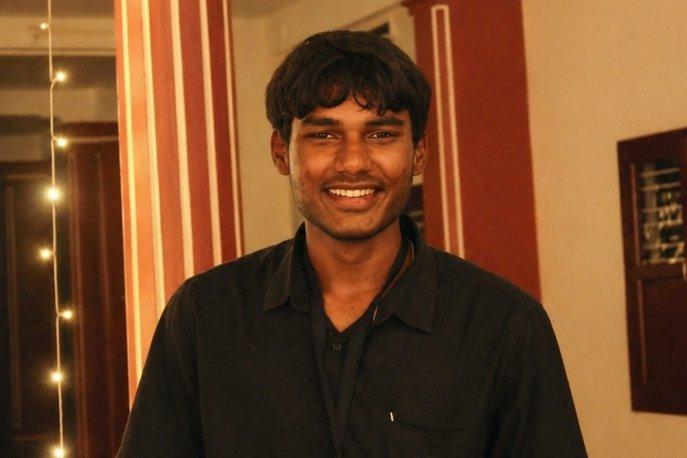
KK Surendran
KK Surendran Undergraduate Student & Open Source Contributor | Amrita Vishwa Vidyapeetham / amFOSS

Hey, I'm K K Surendran, a CS undergraduate and builder from Amrita Vishwa Vidyapeetham and the co-lead of amFOSS, one of India's largest student open source clubs. I'm currently contributing to the eTIR National Application as a UN Volunteer under UNECE Geneva, working on open-source customs infrastructure in active government deployment. I've also co-built a production system in clinical AI, a platform in live use at AIMS Kochi used to treat patients.