Skip to Main Content
Talk Beginner Apache-2.0 license First Talk

Android Post-Quantum Integrity Framework

Proposal status is Rejected
Session Description

About

Android Post-Quantum Integrity Framework ensures your app hasn't been tampered with by computing a deterministic hash of compiled bytecode and enabling secure runtime verification.

A comprehensive framework for build-time integrity verification and runtime server-anchored validation of Android applications using Merkle trees and post-quantum cryptography (ML-KEM/CRYSTALS-Kyber)

What is this framework?

The Android Post-Quantum Integrity Framework consists of:

  1. Gradle Plugin (Build Time): Computes a cryptographic fingerprint (Merkle root) of your app's compiled code

  2. Verification Server (Runtime): Validates app integrity using server-anchored trust model

  3. Post-Quantum Security: Uses ML-KEM (CRYSTALS-Kyber) for quantum-resistant communication

Why do you need it?

  • Detect Tampering: Immediately know if your APK has been modified

  • Prevent Piracy: Stop unauthorized redistribution of modified apps

  • Compliance: Meet security requirements for sensitive applications

  • Future-Proof: Post-quantum cryptography protects against quantum computer attacks

Key Takeaways

Key Takeaways: Android app integrity verification, Merkle Trees, post-quantum cryptography (ML-KEM), secure runtime validation, Gradle plugin development, and lessons from building an open-source security framework.

References

Session Categories

Introducing a FOSS project or a new version of a popular project
Talk License: Apache-2.0 license

Which track are you applying for?

Android Open Source Project (AOSP)

Speakers
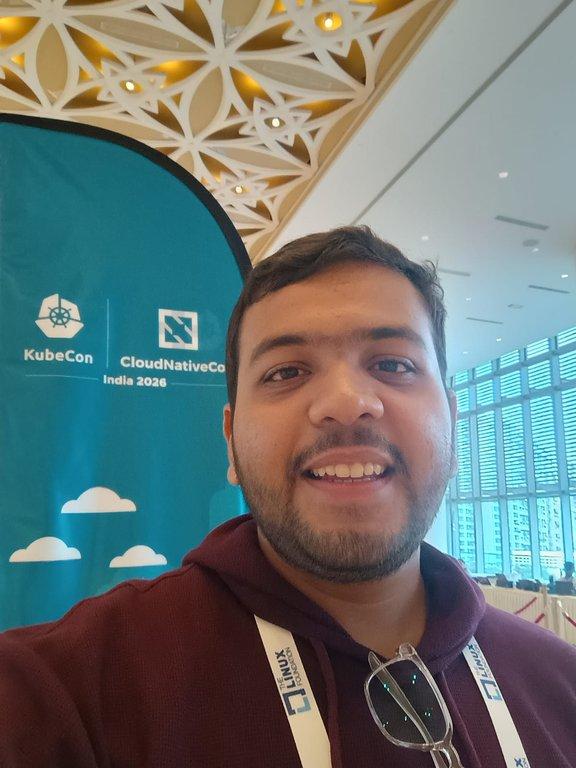
Naman Jain
Naman Jain Backend Developer | TMU

Naman Jain is a Java Software Engineer building high-performance backends, cloud-native technologies, and distributed systems. He develops scalable microservices and event-driven systems using Java, Spring Boot, Kafka, Kubernetes, and Redis. He is an active contributor to Keycloak and OpenTelemetry. Interested in resilient distributed system design, security, observability and backend performance.