Skip to Main Content
Talk Intermediate

IoT enabling Smart Panchayats: A Control, Communication, and Computing Ecosystem for Sustainable Development Goals

Proposal status is Rejected
Session Description

Local self-governments need reliable field-level data to improve water management, agriculture, environmental monitoring, and public service delivery. The IoT-enabled Panchayat initiative demonstrates how open technology can be used to build a smart and sustainable community-level infrastructure.

This talk presents the experience of developing an IoT-enabled Panchayat model in Kerala, where multiple community sectors are connected through sensor-based monitoring and data-driven decision support. The system includes water management, smart agriculture, microclimate monitoring, air-quality monitoring, and environmental data collection. By using IoT devices, LoRaWAN communication, open-source platforms, and dashboards, the Panchayat can monitor local conditions and take better advisory and administrative decisions.

The session will explain how field sensors, communication networks, data servers, and dashboards are integrated into a single ecosystem. It will also discuss the practical challenges faced during deployment, including sensor placement, gateway coverage, power management, field maintenance, data accuracy, and public dashboard configuration.

The key message of the talk is that FOSS and open hardware can help Panchayats and local bodies build locally maintainable, scalable, and transparent digital infrastructure. This initiative can serve as a reference model for other regions aiming to become smart, resilient, and environmentally conscious communities.

Key Takeaways

Participants will understand:

  1. How IoT can support Panchayat-level governance and community development.

  2. How open hardware and FOSS tools can be used to build public-good infrastructure.

  3. How water management, agriculture, microclimate monitoring, and air-quality monitoring can be integrated into one IoT ecosystem.

  4. How field sensors, LoRaWAN gateways, servers, databases, and dashboards work together.

  5. Practical challenges in deploying IoT systems in real outdoor conditions.

  6. Why open data and public dashboards are important for transparent local decision-making.

  7. How the IoT-enabled Panchayat model can be replicated in other regions.

References

Session Categories

Knowledge Commons (Open Hardware, Open Science, Open Data etc.)

Which track are you applying for?

Open Hardware

Speakers

Shafeek P M
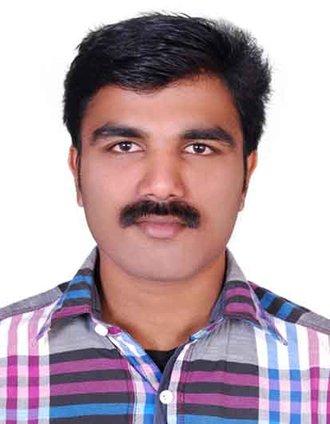
Shafeek P M Manager Projects | ICFOSS

Shafeek PM is the Manager Projects at ICFOSS, Kerala. He is involved in coordinating and implementing technology projects related to FOSS, open hardware, IoT systems, drone platforms, embedded technologies, and public-good applications. His work includes project planning, stakeholder coordination, technical implementation support, and guiding field-level deployments. Through ICFOSS initiatives, he supports the development of locally adaptable and maintainable technology solutions for government, research, and community use.

Gopika TG
Gopika TG Senior Research Fellow | ICFOSS

Gopika TG is a technology professional involved in project coordination, technical documentation, and implementation support for open-source and public-good technology initiatives. Her work includes supporting IoT-based systems, open hardware projects, environmental monitoring activities, and field-level deployments. She is interested in applying technology to build practical, sustainable, and community-focused solutions.