Skip to Main Content
Lightning Talk Beginner

Fork Around and Find Out: How Open Source Beats the Rug-Pull of source-available licenses!

Proposal status is Rejected
Session Description

It has become kind of a ritual now. A company builds a beloved open source project, then gets popular, then swaps its open license for a "source-available" one, to box out competitors. Users call it a rug-pull. This lightning talk is a quick narrative journey through what follows, because the community has a strong habit of winning.

When HashiCorp relicensed Terraform, the Linux Foundation made OpenTofu, which is now a CNCF project. When Redis went SSPL, the community shipped Valkey; Debian, Ubuntu, Fedora, and AWS adopted it, and by May 2025 Redis surrendered and returned to open source under AGPL. Elasticsearch and Vault tell the same story (OpenSearch, OpenBao). The ultimate example? Git itself, written by Linus in ten days after the proprietary bitkeeper revoked the Linux kernel's license in 2005.

We'll cover why companies do this, why CLAs make it legal, what makes a fork succeed rather than fail, and the one lesson that keeps repeating: you can't pull the rug out from under a community that can fork you :)

Key Takeaways
  1. An explanation of the term "rug-pull", along with differences between “source-available” licences and genuine open-source licenses.

  2. Why Contributor License Agreements (CLAs) serve as the legal backbone of virtually all rug-pulls.

  3. What makes a fork actually win, explaining a mix of neutral foundations, distro adoption, and governance; using OpenTofu and Valkey as case studies.

  4. How to assess the rug-pull risk of any dependency you rely on: who owns it, is there a CLA, is it under a foundation.

References

Session Categories

Community
Technology / FOSS licenses, policy

Which track are you applying for?

Main track

Speakers
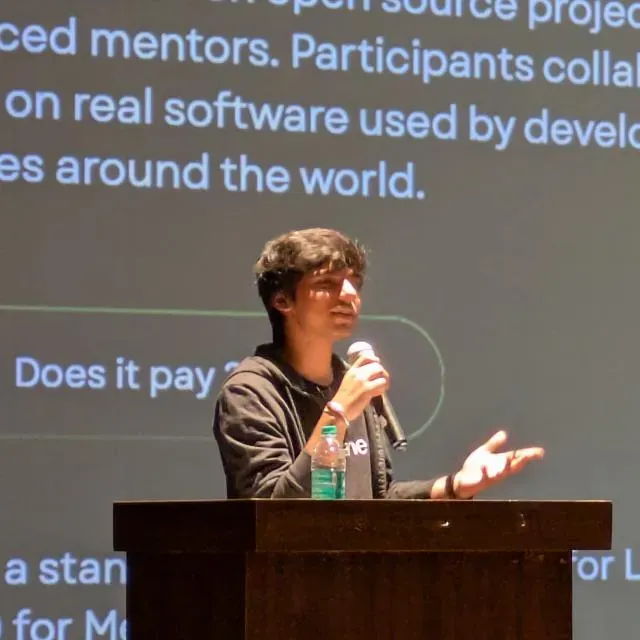
Dhruv puri
Dhruv puri Devops Engineer

I'm a DevOps/SRE Engineer and a CNCF contributor, having contributed extensively to the Prometheus Operator and Kyverno as a Google Summer of Code and LFX mentee respectively. I recently spoke at KubeCon + CloudNativeCon India 2026 on the risks of cluster-wide policies, and I manage the Cloud & DevOps devroom at IndiaFOSS 2026.

Most of my time goes into tinkering with cloud-native tech, breaking clusters (sometimes intentionally), and figuring out better ways to fix them. When I'm not deep in infra, you'll usually find me with cats around or music playing - both keep me just as grounded as a clean “k rollout” does.