Skip to Main Content
Lightning Talk Intermediate Flux (Apache 2.0), Kyverno (Apache 2.0), Cosign / Sigstore (Apache 2.0), Open Policy Agent (Apache 2.0), in-toto (Apache 2.0) First Talk

GitOps Security - Because Git Commits Shouldn't Deploy Vulnerable Containers

Proposal status is Rejected
Session Description

GitOps delivers on its promise for deployment velocity: immutable infrastructure, Git as the source of truth, one-way automated sync from repository to cluster. ArgoCD and Flux are the standard tools. But most GitOps implementations treat security as a post-deployment concern — images are deployed first, scanned later (sometimes never). The result is a fast, automated path to production that works equally well for vulnerabilities.

When you automate deployment, you also automate risk — unless you build cryptographic verification gates into the pipeline.

This session exposes the four critical security gaps in a standard GitOps workflow and demonstrates how to close each one with open source tools, without adding friction to the developer experience:

  • Gap 1 — Unsigned images: anyone with registry push access can deploy anything. Fix: Cosign image signing + Kyverno admission policy blocking unsigned images before the pod starts.

  • Gap 2 — Unverified manifests: a tampered manifest in Git deploys silently. Fix: ArgoCD sync verification with cryptographic manifest integrity checks.

  • Gap 3 — Policy drift: what Kyverno allows at deploy time diverges from your security policy over time. Fix: OPA / Gatekeeper as the persistent policy anchor.

  • Gap 4 — No image audit trail: who deployed what image, from which commit, when. Fix: in-toto attestations stored alongside the image in OCI registries.

Live demo: a complete commit-to-deploy flow — Cosign signing, Kyverno ClusterPolicy enforcement, and a forced admission block when an unsigned image is referenced in an ArgoCD-managed manifest.

Note on format: demonstrating four integrated security layers end-to-end requires the 20-minute Standard Session slot. The value is seeing how these FOSS tools work together as one system, not in isolation.

All tools are CNCF or CNCF-sandbox projects, open source under Apache 2.0. 

Key Takeaways
  1. A map of the four critical security gaps in a standard ArgoCD/Flux GitOps pipeline — and the specific open source tool (Kyverno, Cosign, OPA, in-toto) that closes each one.

  2. A ready-to-apply Kyverno ClusterPolicy that blocks unsigned or unverified container images at Kubernetes admission time — copy-paste ready, demonstrated live against a running cluster.

  3. The complete GitOps security architecture — Cosign signing + Kyverno enforcement + OPA policy + in-toto attestations — working as one automated system, without adding any manual steps to the developer commit workflow. 

References

Session Categories

Engineering practice - productivity, debugging
Talk License: Flux (Apache 2.0), Kyverno (Apache 2.0), Cosign / Sigstore (Apache 2.0), Open Policy Agent (Apache 2.0), in-toto (Apache 2.0)

Which track are you applying for?

Cloud & DevOps

Speakers

Sanket Modi
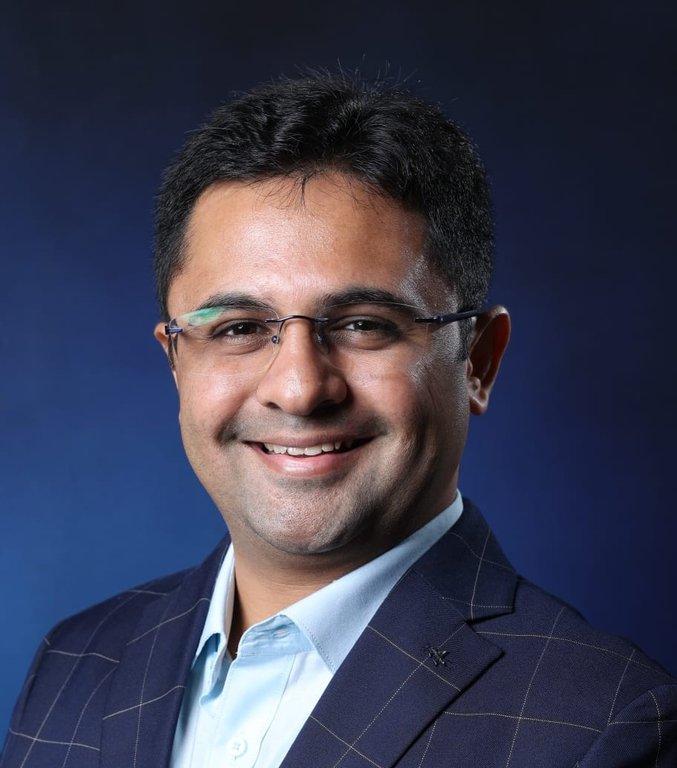
Sanket Modi Sr Engineering Manager | CleanStart Security

Sanket Modi maintains roughly 100 hardened, open source container images, rebuilt daily and kept current through continuous version upgrades and proactive CVE remediation—so the teams consuming them inherit a clean foundation instead of a vulnerability backlog. His work centers on a single idea: most container CVEs come from the base image, not the application, so the durable fix belongs upstream, at the foundation, where it can be made once instead of patched everywhere. Over 14 years spanning SDET, DevOps, DevSecOps, and engineering management, he has moved from testing and operating systems to building the secure foundations other teams build on, and now leads community efforts at CleanStart Security. He spoke on container security at KCD Delhi 2026, and regularly writes and runs community sessions on supply-chain integrity, image hardening, and reducing security toil for developers. He believes the best security is invisible—embedded in the foundation so teams focus on shipping products, not managing CVE queues. KCD Delhi was a first step toward larger cloud native stages.