Large Language Diffusion Models
Session Description
Traditional autoregressive language models generate text one word – or token – at a time. This sequential process can be slow and limit the quality and coherence of the output. Diffusion models work differently. Instead of predicting text directly, they learn to generate outputs by refining noise, step by step. This means they can iterate on a solution very quickly and error correct during the generation process. This helps them excel at tasks like editing, including in the context of math and code. Large-language models are the foundation of generative AI today.
We’re using a diffusion technique to explore a new language model that gives users greater control, creativity, and speed in text generation. Recently, at the Google I/O Event, they showcased Gemini Diffusion based on this concept - https://deepmind.google/models/gemini-diffusion/.
One of the open-source research papers we'll be breaking down on training and architecture. Along with a live demo of tuning the ModernBERT model into an instruction-tuned diffusion language model.
Inference notebook: https://colab.research.google.com/drive/1hMV0OBpmJL7L5yIEtkeeUz-7rB1buFmg?usp=sharing
Training notebook: https://colab.research.google.com/drive/1D82ULU5dUyJKPnj2oUxtfJeWTB1sVds_?usp=sharing
Key Takeaways
1. Enhanced Text Generation - Unlike traditional autoregressive models that generate text sequentially, LLDMs utilize a diffusion process to model the distribution of language data. This allows for the simultaneous prediction of multiple tokens, potentially leading to more coherent and contextually accurate text generation.
2. Improved Efficiency - By enabling parallel token prediction, LLDMs can reduce the time required for text generation compared to sequential autoregressive methods. This parallelism enhances computational efficiency, making it feasible to deploy large-scale language models in real-time applications.
3. Broadened Accessibility - The diffusion-based approach in LLDMs can lower the barrier to entry for developing sophisticated language models. This democratisation allows a wider range of organisations, including startups and research institutions with limited resources, to contribute to and benefit from advancements in natural language processing.
4. Environmental Considerations - The efficiency gains from LLDMs can lead to reduced energy consumption during model training and inference. This reduction aligns with global sustainability goals by minimising the carbon footprint associated with large-scale AI deployments.
5. Stimulating Innovation - The introduction of LLDMs encourages the exploration of new architectures and methodologies in AI research. This stimulation can lead to novel applications and improvements across various domains, fostering a more vibrant and dynamic AI ecosystem.
In summary, Large Language Diffusion Models offer promising advancements in efficiency, accessibility, and sustainability, contributing positively to the evolution of the AI landscape.
References
Session Categories
Which track are you applying for?
Speakers
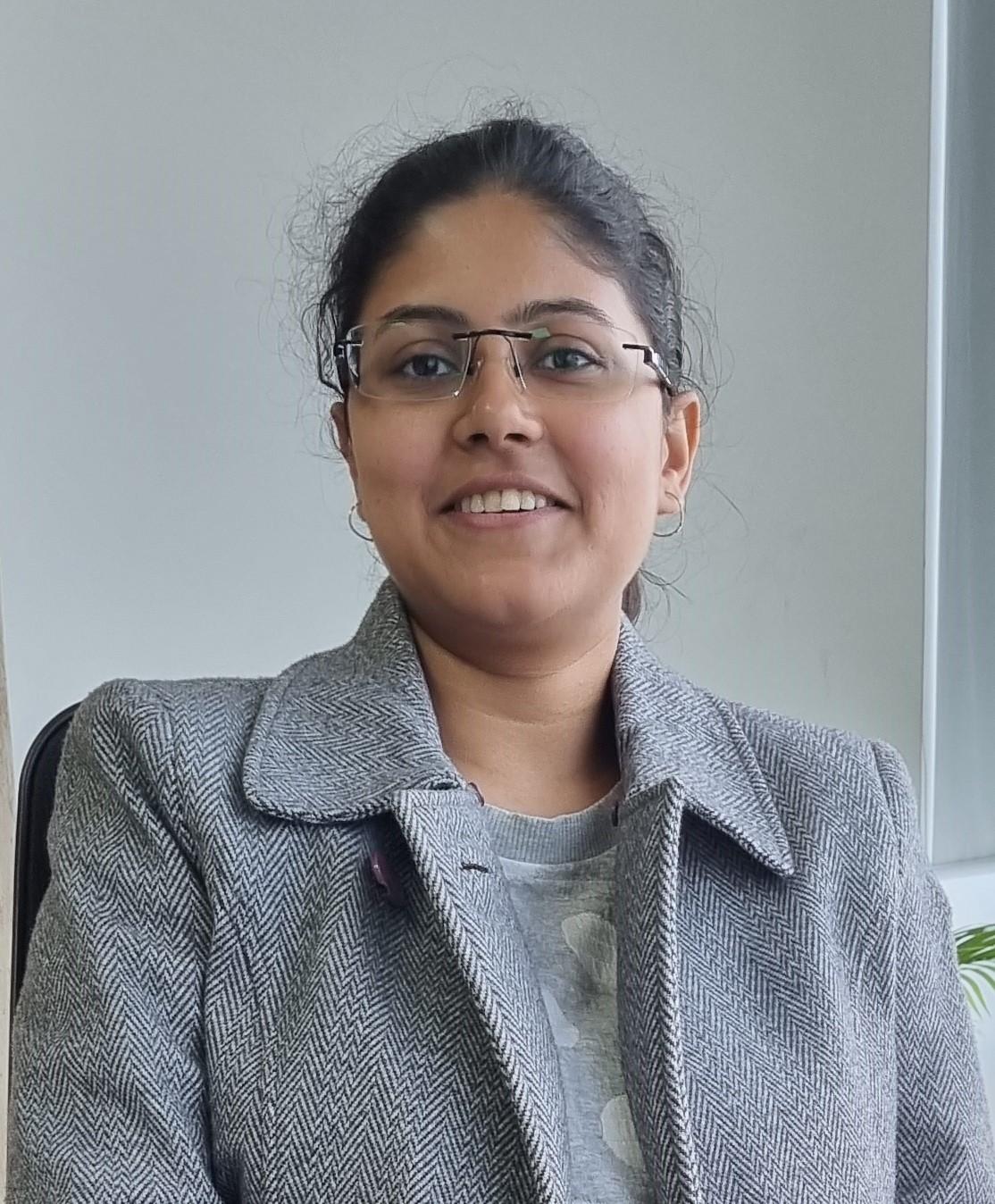
Jayita Bhattachatta
Reviews
It is not very clear how the talk is structured. The description is copied and pasted from the paper link.
Not a lot of details on how the talk is structured.
Not enough info. Please read the proposal guidelines
Unclear what role your project plays in the AI space. Seems like a introductory talk on AI.
The proposal lacked a clear structure for the talk and did not provide enough detail about your involvement in the project. We also noticed that the description appeared to be copied from an external source, which does not align with our guidelines for original content. We encourage you to resubmit a proposal in the future that more clearly outlines the talk's structure and your personal work in the FOSS community.