Open Source AI 1.0: Shaping the Future of Collaborative AI
Session Description
Person 1: DeepSeek is the best Open Source AI model!
Person 2: Yes. It is awesome, but is it open source?
Person 1: Yeah. You can download it from Hugging Face.
Person 2: But, can you re-create it?
Person 1: Hmmm ...
The core pillars of Open Source - autonomy, transparency, frictionless reuse, and collaborative innovation, are vital for shaping and navigating the rapidly evolving AI landscape. And with the rise in Open washing, there is a need to better understand what qualifies as Open Source AI and what doesn't.
After years of collaboration with academia and industry, Open Source Initiative (OSI) has finally released the comprehensive definition of Open Source AI (version 1.0), suggesting why society needs these foundational freedoms to ensure AI develops as an empowering, rather than opaque technology.
In this talk, we will discuss the four essential freedoms that an Open Source AI system must grant the unrestricted rights to:
Use the system for any purpose,
Study its workings and inspect components,
Modify it (including its outputs), and
Share it, with or without modifications.
We will also learn that for "open" or "open weights" AI models to be genuinely "Open Source" under this definition, they must be accompanied by the requisite data information and code used in their derivation. This holistic approach ensures verifiability, reproducibility, and provides the bedrock for building true community-driven AI innovation. It also helps in mitigating risks and fostering a more equitable and trustworthy AI ecosystem.
Key Takeaways
Attendees will learn:
How to differentiate between "open" models & "open source" AI models.
Understand what constitutes Open Source AI, as defined by the Open Source Initiative (OSI).
The Four Foundational Freedoms - freedom to Use, Study, Modify, and Share, that are paramount for fostering innovation, accountability, and user autonomy.
Some real world Open Source AI projects.
Session Categories
Which track are you applying for?
Speakers
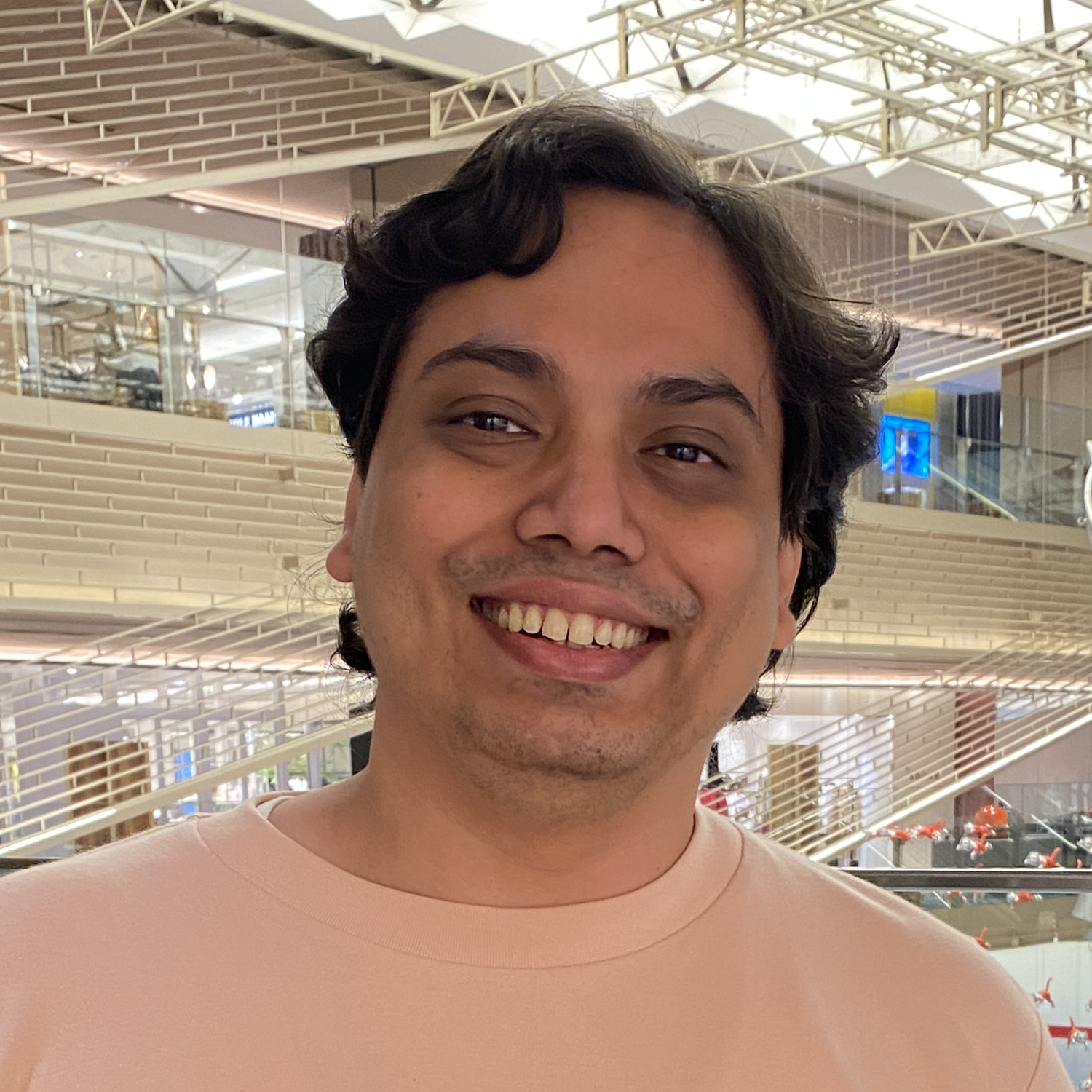
Ankit Mahato
Reviews
This is a very saturated topic that we've had multiple talks about and has plenty of info available online. Leaning towards rejection unless this is from OSI or from someone with research background in the OSAI domain.
Thorough proposal, coming from someone with significant experience in the field, but I'm personally leaning towards a shorter lightning-ish talk that focuses on the OSAID from OSI and how to differentiate open vs open-source AI models, the latter of which will inevitably include examples of actual open-source/free-source AI models.
I think this is an area whose nuances are not very well understood. I echo the other reviewers' comments about this - leaning towards accepting if this is coming from someone affiliated with the OSI or someone with research background in open source AI. Otherwise this is better placed as a lightning talk.
Thank you for submitting your proposal for IndiaFOSS 2025. Your submission was well-received and progressed to our final review stages.
Unfortunately, due to the high volume of excellent proposals this year, we were unable to select your talk for the final program. We appreciate the effort you put into your submission and encourage you to apply again for future events.