Platform Engineering Vision 2030: Open Source Multi-Cluster Kubernetes Applications For Tomorrow
Session Description
Kubernetes has transformed the world of building applications as a container orchestrator, but managing Kubernetes infrastructures and developer platforms at scale remains a complex challenge for developers, DevOps engineers and the newly brewed persona of Platform Engineers. If Kubernetes would have been simple, then the other projects around it wouldn't have existed. In fact, in spite of the popularity of Kubernetes and competition around Managed Kubernetes providers, it has been hard to crack the world of Multi-Cloud, Multi-Cluster Management. While the Special Interest Group under Kubernetes created ClusterAPI, that offers a declarative way to provision and operate clusters, it often brings complexity through verbose YAML and integration difficulties. This talk introduces us to the world of Platform Engineering and managing Kubernetes Infrastructures using Distributed Container Management as a solution. Through a real-world, large-scale platform engineering usecase, we’ll explore intelligent multi-cluster management, with enhanced observability, automated scaling, and proactive anomaly detection. Attendees will gain practical insights into building adaptive, resilient, and developer-friendly platform experiences on Kubernetes. We will also shed light on an AIOps-driven approach that leverages ClusterAPI, Sveltos, and templated automation to enable end-to-end lifecycle management—provisioning, upgrades, and teardown across diverse environments.
Key Takeaways
Kubernetes ClusterAPI revolutionized cluster provisioning, but managing AI/ML workloads beyond provisioning requires a full lifecycle approach—from self-service onboarding to dynamic policy enforcement and observability.
Self-Service AI Platform – ML teams get ready-to-use infrastructure without manual provisioning.
This talk gives back a complete suite for platform engineers to learn from inclusive of:
1. Policy-Driven Deployments – Automating compliance and security across multiple clusters.
2. Scalability – ClusterAPI dynamically scales Kubernetes workloads.
3. Safe AI Model Rollouts – Ensuring controlled deployments with observability.
4. Full Observability Stack – Grafana centralizes insights for clusters, ML models, and feature toggles.
References
Session Categories
Which track are you applying for?
Speakers
Prithvi Raj
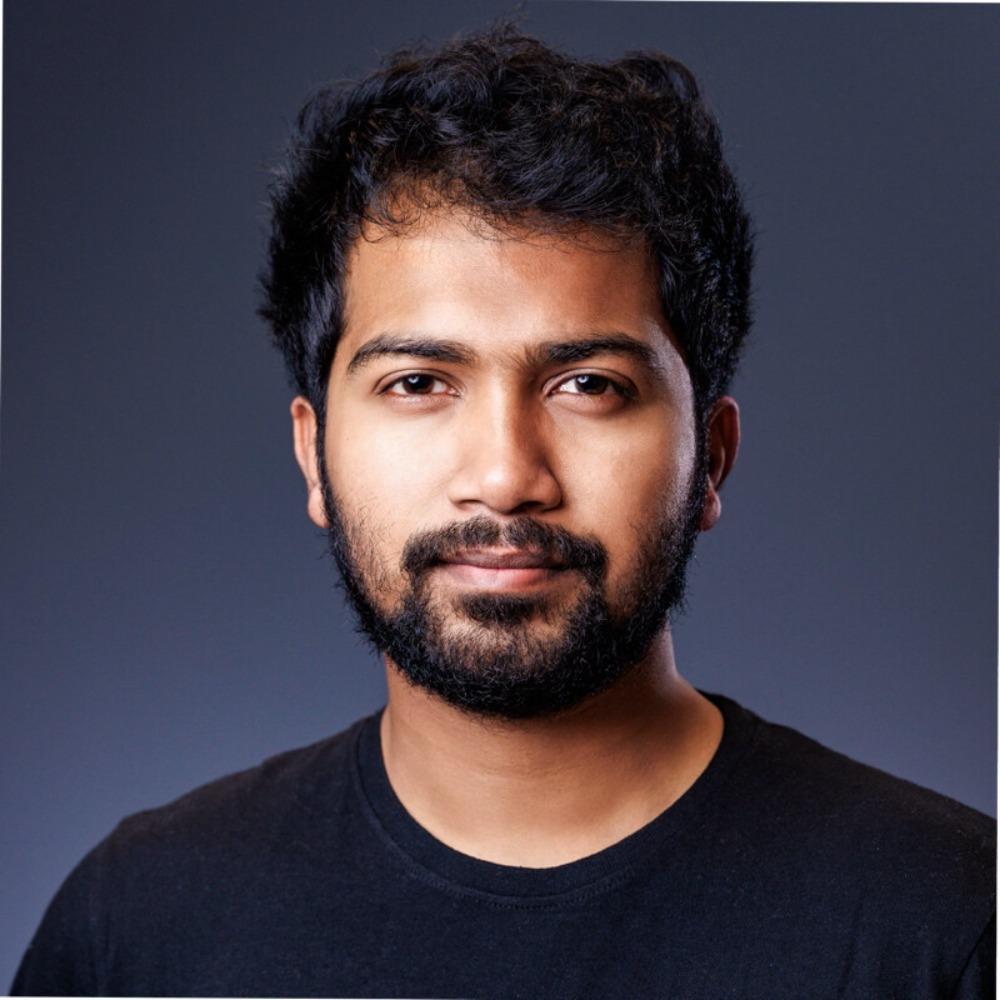
Bharath Nallapeta

Reviews
Title - 5 year timeline for cloud applications seems like a non starter. There is just too much going in this talk. A focussed talk is desirable.
This seems well suited for a k8s conference, not a FOSS one. It would be good to highlight a specific project or how what you are working on contributes to the FOSS ecosystem, not merely solving business problems.
The reviewers felt that the proposal is more suited for a Kubernetes conference and lacked a specific FOSS angle.