Open Source or Open Loops: Why the Best Projects Never Reach the Finish Line
Session Description
Open source projects are often celebrated for being flexible, transparent, and shaped by community effort. But there is something we rarely say out loud. These projects never really feel finished. There is always one more bug to fix. One more pull request waiting in review. One more promise of "soon" that quietly stretches into next year. And strangely, that is not always a bad thing.
In this talk, I want to explore the space where open source and unfinished work meet. I will share examples from popular projects that have stayed active for years, even without reaching a final version. I will also speak from my experience as a tester who has learned to find comfort in this ongoing loop of progress.
We will talk about why unfinished work is not a sign of failure. It is a sign that people still care. That there is room for new ideas, for different voices, and for slow but steady improvement. We will reflect on how contribution does not always mean fixing everything. Sometimes it means asking a good question, leaving helpful feedback, or opening space for others to build further.
If you have ever felt unsure about your half-done task or wondered if your small input makes a difference, this session is for you. If you have stared at a long list of open issues and felt a little lost, know that you are not the only one.
Because in open source, what stays open is not just the code. It is the conversation. It is the invitation to return, to continue, and to believe that something unfinished still has value.
You will leave this talk with a lighter perspective on unfinished work, a little more faith in slow progress, and maybe one less reason to feel guilty about that pull request still waiting in your drafts.
Key Takeaways
Major Key Takeaways:
Unfinished work in open source is not a failure. It is often a sign that the project is alive, evolving, and still inviting contribution.
Contribution is not only about fixing things. It can also mean leaving thoughtful comments, raising questions, or helping others understand the system better.
Progress in open source does not have to be fast or perfect. Even slow steps and small efforts can make a lasting difference.
What stays open in open source is not just the code. It is the space for ideas, collaboration, and the chance to build something meaningful together.
Session Categories
Which track are you applying for?
Speakers
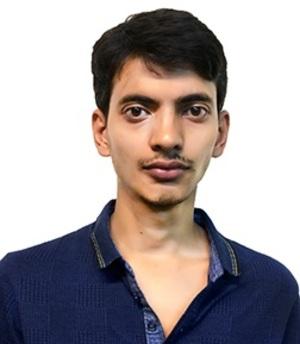
Ujjwal Kumar singh
Reviews
I don't see anything new or significant in this proposal that the audience may not already know. "finish line" as a metaphor doesn't work in FOSS because maintenance and upgrades will always be there and take time. The linked reference is a good blog but I don't see how this content fits in a FOSS conference.
This proposal seems very generic to with very less FOSS relevance.
Not material enough to consider as a talk in the conference.
The reviewers felt that the topic, while interesting, was too generic and didn't offer new or significant insights for the audience. The general consensus was that the concept of ongoing maintenance in FOSS is widely understood and doesn't warrant a full talk.