Skip to Main Content
Talk Intermediate First Talk

HATEOAS: Hidden Architecture That Enables Outstanding App Simplicity

Proposal status is Rejected
Session Description

This talk revisits the foundational principles of REST as originally defined by Roy Fielding, with a specific focus on HATEOAS (Hypermedia as the Engine of Application State).

We'll examine how modern web architecture drifted away from this constraint and why it's time to reintroduce hypermedia-driven approach into our application design. By outlining the practical advantages of HATEOAS, we’ll make the case for its relevance today.

We'll look at how real-world projects like HTMX, Data-star and Hotwire Turbo are using hypermedia into action, and introducing Vyper, a meta-framework for building hypermedia-driven web applications in Go that I'm currently working on, which is rooted from my earlier project VStack, which aims to simplify frontend-development for Go developers.

Agenda:

  • REST and HATEOAS: The Original Vision

    • Clarifying the architecture Roy Fielding defined, especially the overlooked HATEOAS constraint.

  • Why Hypermedia-driven approach?

    • The growing need for self-descriptive APIs and dynamic interaction models in distributed systems.

  • Needs, Merits & Use-cases of HATEOAS

    • Practical benefits: better evolvability, reduced coupling, and more maintainable APIs over time.

    • Also the use-cases and scenarios under which HATEOAS principle shine and really helpful.

  • Modern Implementations

    • Case studies of htmx, Data-star, Unpoly, Hotwire Turbo and similar projects that show HATEOAS working in real applications.

  • Introducing Vyper

    • Overview of a Go-based meta-framework for building hypermedia-first apps, emphasizing developer simplicity.

Key Takeaways
  • Understanding REST for real: What Roy Fielding actually meant by REST — beyond just JSON over HTTP.

  • HATEOAS clarified: How hypermedia drives application state and why it matters for long-term API health.

  • Needs & Merits of hypermedia-driven design approach

  • HATEOAS in action: A look at tools like HTMX, Data-star and how they implement hypermedia patterns in practical, lightweight ways.

  • Vision for Go web dev: How Vyper aims to reshape frontend/backend responsibilities and bring back simplicity and power to Go-based web development.

References

Session Categories

Introducing a FOSS project or a new version of a popular project
Tutorial about using a FOSS project
Technology architecture
Contributing to FOSS

Which track are you applying for?

Main track

Speakers
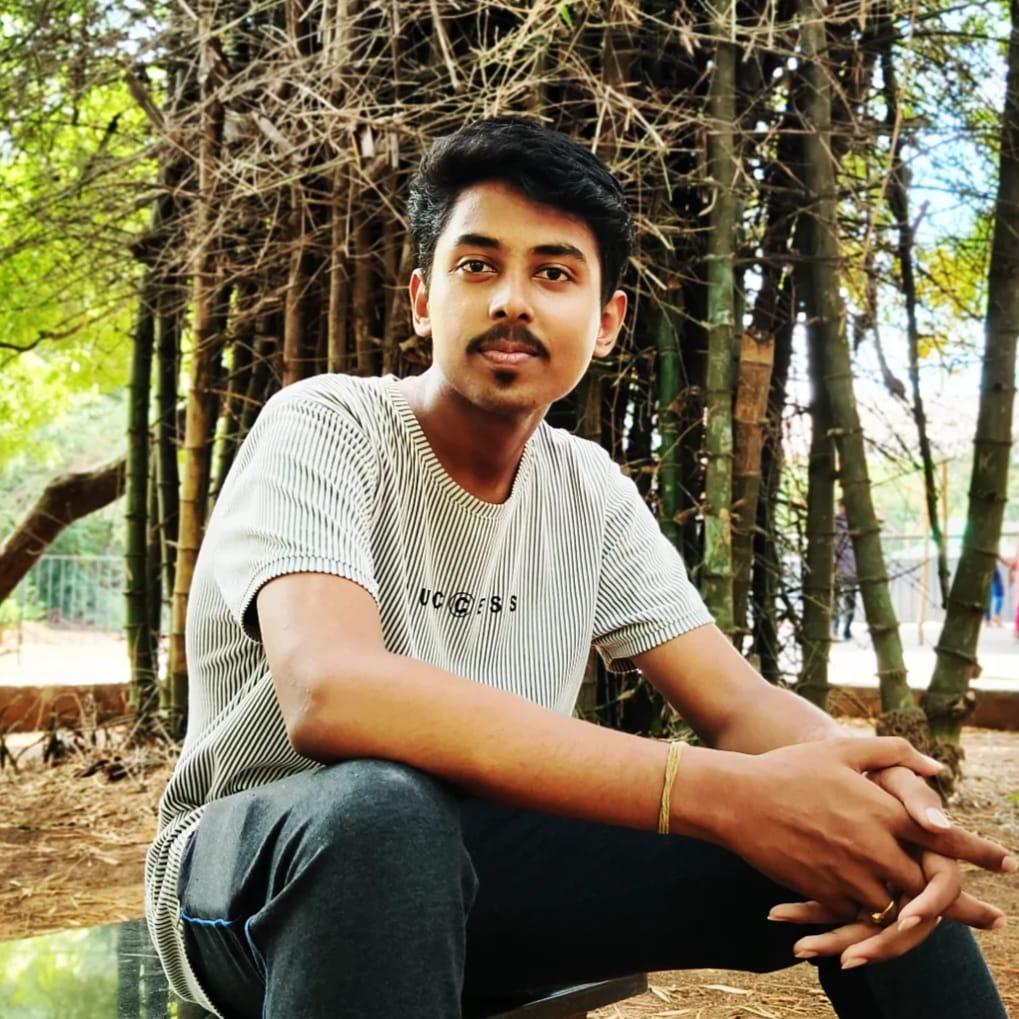
Vijay Ganesh S
Vijay Ganesh S Student | Chennai Institute of Technology (CIT)
  • Hello! I'm an Engineering undergrad, with a keen interest and knowledge in frontend and backend development and proficient in Go, C, C++, Js & Ts.

  • I'm Open-source Contributor & Creator of projects: vgo, vstack(achieved), vyper(under development) and Volunteer at a student run open-source organization :bitspace

  • I love to experiment the technologies that I admire and curious to address and solve the pain points that I face with the help of programming apps and tools.

  • I'm currently working on the project vyper, an indigenous meta framework for creating hypermedia-driven web applications in Go. Yeah it's a quite huge project, but aiming to make as robust as possible, with an steady progress.